

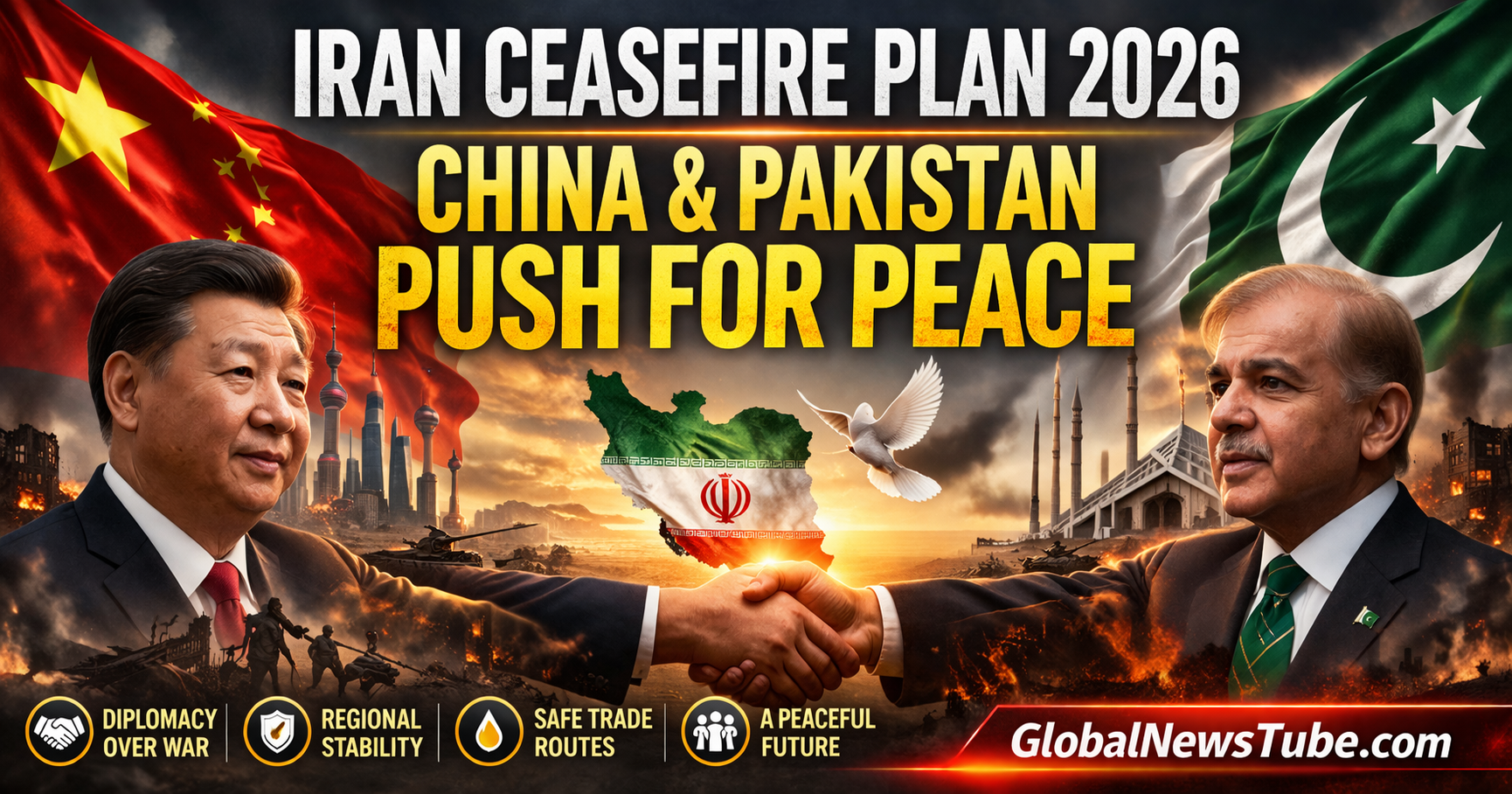
The Urgency of Ceasefire in Iran
The US Israel Iran conflict has escalated dangerously in 2026, threatening not only regional stability but also the global economy. With military operations intensifying and the Strait of Hormuz oil trade disrupted, energy markets are experiencing severe volatility. Against this backdrop, China and Pakistan’s peace initiative has emerged as a critical diplomatic intervention. Their five point plan calls for an immediate ceasefire, protection of civilian infrastructure, and restoration of free navigation through the Strait of Hormuz. This proposal is more than a regional effort it is a global attempt to safeguard Middle East energy security and stabilize petroleum markets.
China and Pakistan Diplomatic Role
China has steadily positioned itself as a global mediator, leveraging its economic influence and strategic partnerships to intervene in conflicts where Western powers dominate. Pakistan, traditionally focused on South Asian affairs, has now stepped onto the global stage by aligning with China in presenting the Iran ceasefire plan 2026. Their joint initiative reflects a growing multipolar world order, where regional powers are increasingly shaping international diplomacy. By advocating for peace, both nations aim to strengthen their credibility as responsible stakeholders in global security.
Breakdown of the Five Point Plan
The ceasefire proposal is structured around five essential measures. First, it demands an immediate ceasefire to halt military operations and prevent further civilian casualties. Second, it emphasizes the protection of civilian infrastructure, particularly oil facilities, ports, and transport routes that are vital for global trade. Third, it calls for the restoration of normal passage through the Strait of Hormuz, ensuring uninterrupted energy flows. Fourth, it urges the resumption of peace talks under international law frameworks, creating space for dialogue rather than confrontation. Finally, it highlights regional stability measures, encouraging Gulf states to cooperate in preventing future escalations. Together, these points form a comprehensive blueprint for de escalation and long‑term peace.
The Strategic Value of the Strait of Hormuz
The Strait of Hormuz is the world’s most critical energy chokepoint, handling nearly 20% of global oil shipments. Iran’s threats to block passage have rattled markets, driving up crude prices and sparking fears of inflation across major economies. For China, which relies heavily on imported oil, reopening the strait is vital to sustaining growth. For Pakistan, supporting this initiative enhances its diplomatic visibility and strengthens its partnership with China. The strait’s strategic importance makes it central to the global petroleum market stability that the ceasefire plan seeks to protect.
Global Energy Market Reactions
Oil prices surged in early April 2026 as tensions escalated, with analysts warning that prolonged disruption could trigger a global recession. The ceasefire plan offers a potential lifeline, reassuring investors and stabilizing futures markets. Energy companies across Asia and Europe have welcomed the proposal, noting that international diplomacy ceasefire efforts are essential to prevent supply chain collapse. If successful, the plan could restore confidence in global trade and reduce inflationary pressures caused by rising fuel costs.
Political Implications for US, Iran, and Allies
For the United States, a ceasefire could reduce military expenditure and stabilize domestic fuel prices, though Washington remains cautious about China’s growing influence in Middle Eastern diplomacy. For Iran, the plan provides breathing space to negotiate sanctions relief and assert regional influence without the immediate threat of military escalation. Israel, however, remains skeptical, prioritizing security concerns and questioning Iran’s compliance. Meanwhile, China and Pakistan stand to gain credibility as peace brokers, reshaping global perceptions of power dynamics and challenging Western dominance in conflict resolution.
Can Diplomacy Prevail
The success of the Iran ceasefire plan 2026 hinges on trust and enforcement. If implemented, it could mark a turning point in Middle Eastern geopolitics, reducing reliance on unilateral military strategies and fostering multilateral cooperation. Yet challenges remain mistrust between Iran and Israel, US skepticism of China’s motives, and the fragile nature of Gulf alliances. Despite these obstacles, the plan underscores the growing importance of multilateral diplomacy in global conflict resolution. Whether diplomacy can prevail will depend on the willingness of all parties to prioritize peace over power.
China and Pakistan’s five point initiative represents a bold attempt to de escalate one of the most dangerous conflicts of 2026. By focusing on reopening the Strait of Hormuz, protecting civilians, and fostering regional cooperation, the plan addresses both humanitarian and economic concerns. Its success could stabilize the global petroleum market, reduce inflationary pressures, and reshape the balance of power in international diplomacy. As the world watches, the question remains whether this ceasefire plan will be embraced as a genuine path to peace or dismissed as another unrealized proposal in the long history of Middle Eastern conflicts.


