

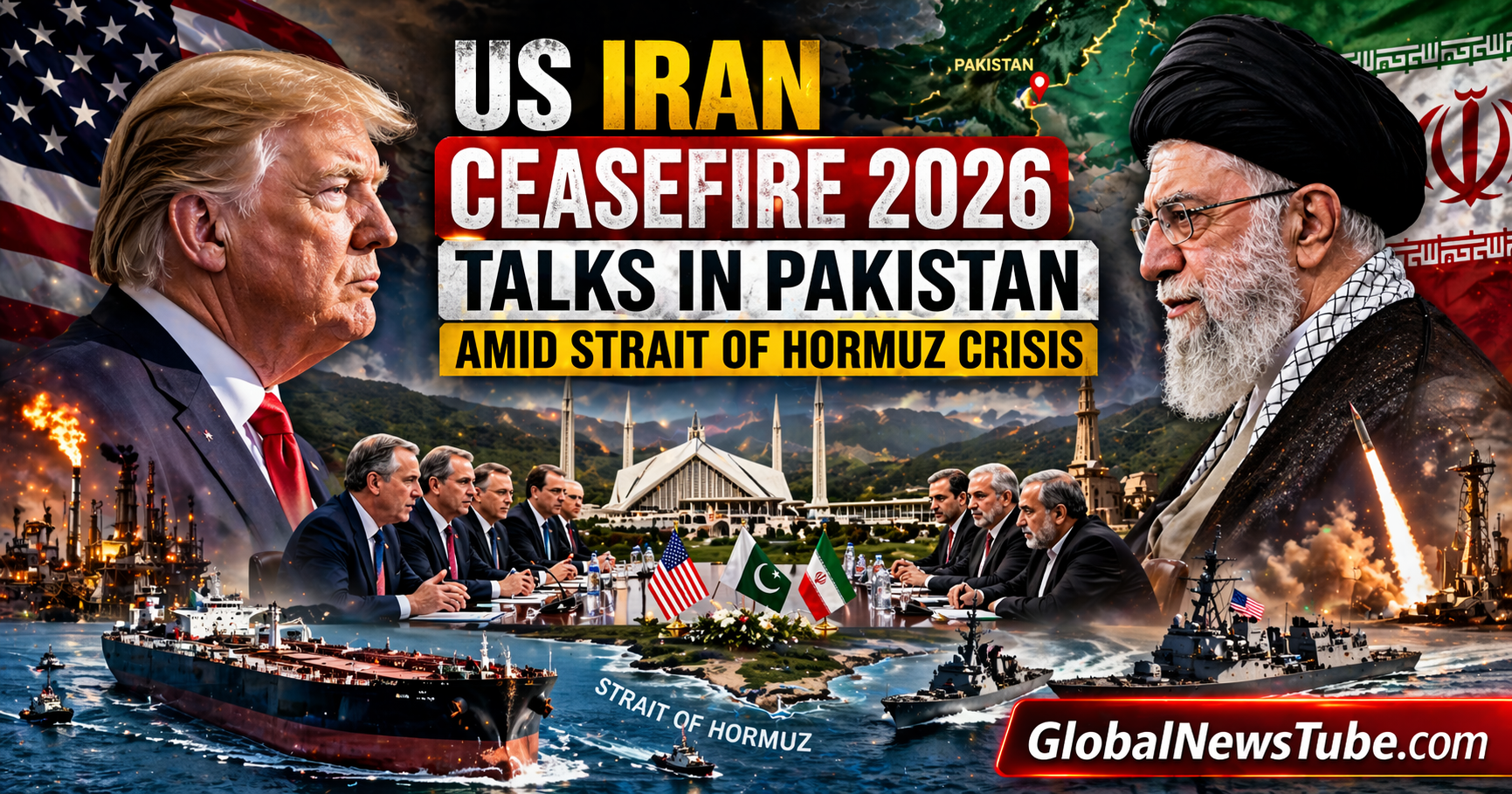
The ceasefire between the United States and Iran, brokered by Pakistan in early April 2026, has become one of the most closely watched developments in global politics. With the truce set to expire on April 22, the world is anxiously observing whether diplomacy will prevail or whether tensions will reignite in the Middle East. The agreement temporarily halted military operations and reopened the Strait of Hormuz, but uncertainty remains as negotiations falter. This moment is pivotal not only for the region but also for global energy markets and international security.
Ceasefire Terms and Mediation
The ceasefire was agreed upon on April 8, 2026, lasting two weeks. Its terms required the United States and Israel to suspend military strikes against Iran, while Tehran agreed to reopen the Strait of Hormuz for international shipping. Pakistan mediation role was crucial, positioning Islamabad as a neutral broker capable of bridging divides between Washington and Tehran. This diplomatic achievement highlighted Pakistan growing influence in regional politics, but the short duration of the truce underscored its fragility. The ceasefire was never intended as a permanent solution rather, it was a window of opportunity for negotiations to take place.
Current Negotiation Status
Despite initial optimism, talks have faced significant setbacks. Iran withdrew from the second round of negotiations, citing disagreements over U.S. demands and regional security concerns. President Donald Trump has alternated between expressing hope for a deal and issuing stern warnings of military consequences if diplomacy fails. Iran, meanwhile, has threatened to restrict passage through the Strait of Hormuz, raising fears of renewed escalation. Both sides are expected to return to Islamabad for further discussions, but progress remains uncertain. The lack of trust between Washington and Tehran continues to hinder meaningful dialogue, leaving the ceasefire future in doubt.
Strategic Importance of the Strait of Hormuz
The Strait of Hormuz is one of the most strategically vital waterways in the world. Nearly 20% of global oil supplies pass through this narrow channel, making it a lifeline for international trade and energy security. Any disruption in its operations could trigger sharp increases in oil prices, destabilize global markets, and strain economies worldwide. Iran’s control over the Strait gives it significant leverage in negotiations, while the U.S. and its allies view free passage as non negotiable. The reopening of the Strait under the ceasefire was a major relief for shipping companies and energy markets, but the looming expiry of the truce threatens to undo these gains.
Political Dynamics and Regional Risks
The political dynamics surrounding the ceasefire are complex and volatile. President Trump shifting tone optimism one day, threats the next has created uncertainty about U.S. intentions. Iran’s hardline stance reflects both domestic pressures and its desire to assert regional influence. Israel’s involvement adds another layer of tension, as its security concerns remain closely tied to U.S. policy. If talks fail, the risk of renewed hostilities could extend beyond Iran and the U.S. potentially drawing in Gulf states and destabilizing the wider Middle East. The possibility of regional escalation underscores the high stakes of the negotiations, with consequences that could ripple across the globe.
Outlook and Global Implications
As the ceasefire nears its end, the world is watching closely. A successful agreement could ease tensions, stabilize energy markets, and strengthen Pakistan role as a mediator in global diplomacy. Failure, however, could reignite conflict, disrupt shipping, and escalate into a broader regional crisis. The Strait of Hormuz remains the focal point of this geopolitical struggle, symbolizing both the fragility of peace and the immense stakes of diplomacy in the Middle East. For global powers, the outcome of these talks will shape not only regional stability but also the future of international energy security.


