

A National Debate
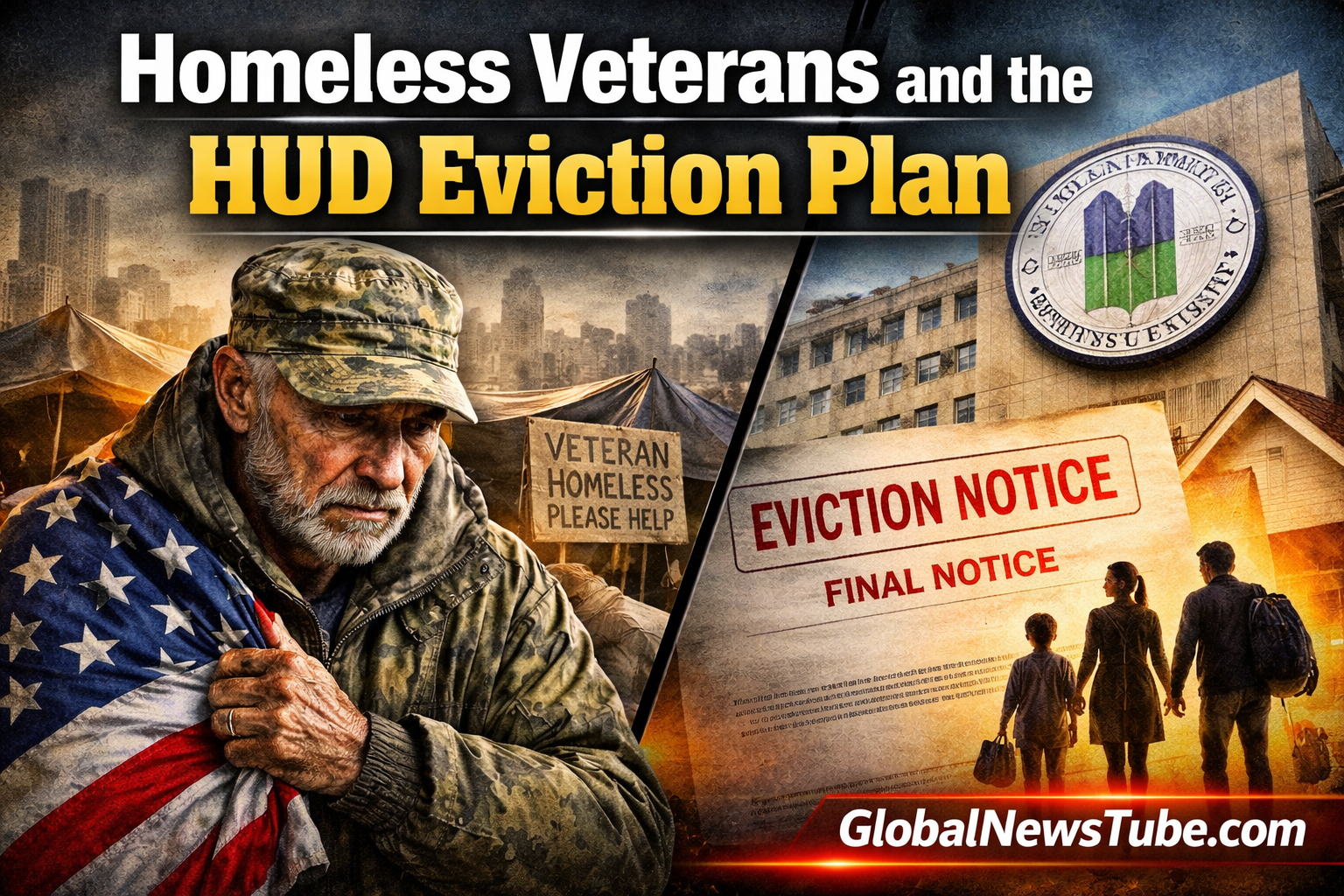
The U.S. Department of Housing and Urban Development (HUD) has proposed a controversial plan that could evict thousands of formerly homeless veterans from permanent supportive housing. This policy has sparked outrage among advocacy groups, legal experts, and communities nationwide, raising urgent questions about the government’s responsibility to those who served.
Background of the HUD Plan
HUD’s proposal seeks to shift veterans from permanent supportive housing into transitional facilities. Officials argue this would free up units for new applicants and maximize efficiency. However, critics warn that such a move undermines stability for vulnerable populations who rely on long term housing to rebuild their lives.
The plan is part of a broader restructuring of federal housing programs. HUD claims that permanent supportive housing should be reserved for individuals with the most acute needs, while veterans who have achieved stability should transition to other forms of housing. Yet this reasoning has been criticized as shortsighted, ignoring the fact that stability is fragile and can be lost quickly if housing security is disrupted.
Impact on Veterans
In Memphis, more than two dozen veterans face eviction if the plan is implemented. One of them, Vietnam veteran Jayson Carter, age 78, fears he may be forced to live in his car. Nationwide, approximately 91,000 veterans are under lease through HUD VA supportive housing programs. For many, eviction would mean returning to homelessness after years of progress.
The consequences extend beyond shelter. Veterans who lose housing often struggle to access healthcare, counseling, and employment opportunities. Stable housing is the foundation for recovery, and without it, many risk falling back into cycles of poverty and instability. Veterans with PTSD or physical disabilities are particularly vulnerable, as housing provides not only safety but also access to essential services.
Legal and Ethical Challenges
The plan has already been challenged in court. Advocacy groups argue it violates commitments made to veterans and undermines the mission of the Department of Veterans Affairs (VA). Lawyers claim HUD lacks the authority to force such evictions under current law.
Beyond legality, the ethical implications are profound. Stable housing is linked to improved mental health, reduced substance abuse, and better reintegration into society. Critics argue the plan could reverse years of progress in reducing veteran homelessness and betray the nation’s promise to those who served. The moral question is clear should efficiency outweigh the duty to protect those who risked their lives for the country
Broader Social and Community Impact
The eviction plan could increase homelessness rates among veterans, straining shelters and social services. Communities may face higher costs in healthcare, policing, and emergency services if veterans are displaced. Public trust in government programs for veterans could erode, especially among those who served in conflicts like Vietnam, Iraq, and Afghanistan.
Media coverage has amplified the issue, bringing national attention to the plight of homeless veterans. Stories of individuals like Jayson Carter highlight the human cost of policy decisions. Public awareness campaigns have mobilized citizens to demand accountability, showing that the issue resonates far beyond the veteran community.
Policy Alternatives and Long Term Vision
Advocacy groups recommend expanding funding for HUD VA Supportive Housing (HUD VASH) rather than cutting it. The BRAVE program (Bridging Rental Assistance for Veteran Empowerment) has been proposed in the FY 2026 budget to provide $1.1 billion in rental assistance and support services. Experts suggest combining housing with healthcare, counseling, and job training to ensure long term stability.
Veteran homelessness has been a persistent issue in the United States. Over the past two decades, federal programs have significantly reduced the number of homeless veterans. Permanent supportive housing has been central to this progress, offering not just shelter but also access to medical care and social services. The HUD plan threatens to undo these gains.
A Test of National Commitment
The HUD eviction plan has ignited a national debate over how the U.S. treats its veterans. While the government argues the policy will expand housing access, critics warn it will destabilize lives and undo years of progress in combating veteran homelessness. With legal challenges underway and public outrage growing, the future of thousands of veterans hangs in the balance.
The decision will serve as a test of America’s commitment to those who sacrificed for the nation. Whether the country chooses to prioritize efficiency or uphold its moral duty to veterans will shape not only housing policy but also the broader narrative of how society honors its defenders.


