

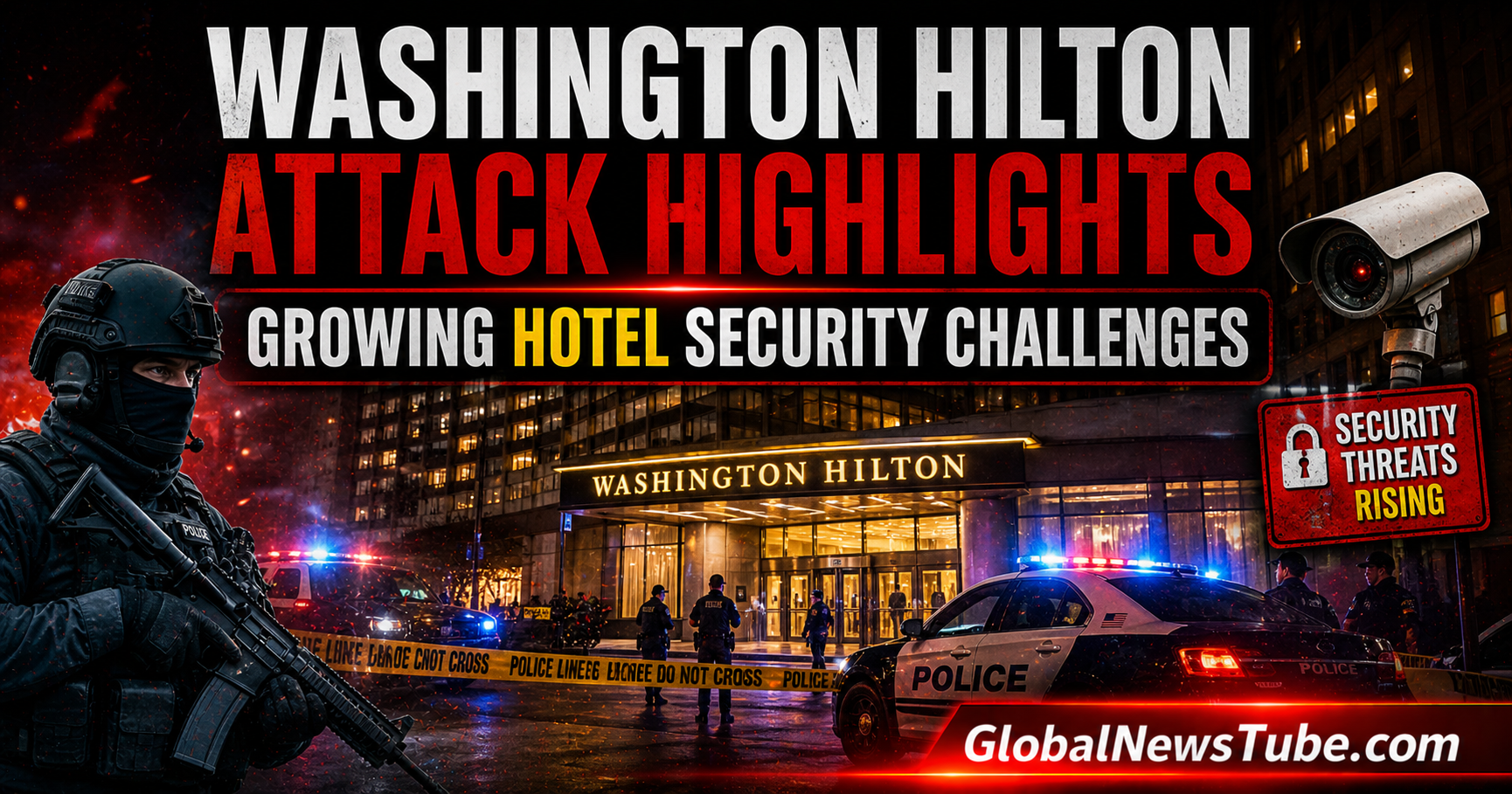
The recent incident at the Washington Hilton has brought renewed attention to the growing hotel security challenges facing the modern hospitality industry. A suspect managed to bypass internal security areas during a major gathering, raising serious concerns about safety procedures in large hotels. Although no fatalities were reported, the event highlighted vulnerabilities that have troubled hotels worldwide for many years. Hospitality environments are designed to remain open and welcoming, making strict enforcement of safety protocols more complicated than in restricted facilities such as airports. Hotels must balance guest comfort with protection, and this ongoing struggle makes hospitality security risks particularly difficult to eliminate. As travel continues to grow globally, hotels are facing increasing pressure to enhance security without damaging their reputation for convenience and comfort.
The Washington Hilton Incident and Its Immediate Effects
The security breach at the Washington Hilton occurred during a high profile gathering attended by influential figures and large numbers of guests. Authorities reported that the suspect entered several areas inside the building before reaching a restricted zone. Emergency teams acted quickly, ensuring the safe evacuation of attendees and preventing serious injuries. However, the incident revealed how easily individuals can move through hotel spaces when crowds are large. Investigators determined that the attacker had gained access to multiple sections before confronting security personnel. This situation demonstrated that even hotels operating under strict protocols can face unexpected threats. Following the incident, many hotel managers began reviewing their internal safety plans and examining weaknesses in their security systems. The event also triggered global discussions about the adequacy of existing hotel safety measures and the need for stronger security standards.
Why Hotel Security Challenges Continue to Exist
One major reason hotel security challenges persist is the open design of most hospitality facilities. Hotels welcome guests, visitors, and service providers around the clock, making it difficult to control movement within the building. Unlike secure institutions with strict entry checkpoints, hotels typically allow multiple entrances to remain open for convenience. This creates opportunities for unauthorized individuals to access sensitive areas. During conferences and large gatherings, the number of people entering and leaving the property increases significantly, making monitoring even more difficult.
Another challenge involves identifying suspicious behavior among regular guests. Visitors carry luggage and personal belongings that are not routinely inspected, which can create security risks. Additionally, hotel architecture often includes interconnected hallways, staircases, and service corridors that create blind spots. These features, while practical for operations, make it difficult for staff to maintain constant supervision. Without careful planning, these hidden areas may become vulnerabilities that attackers can exploit.
The complexity of managing different guest groups also contributes to security difficulties. Hotels host tourists, business travelers, and event attendees simultaneously, each with different movement patterns. This diversity makes it harder to establish uniform monitoring procedures. As a result, security teams must rely on layered systems that combine surveillance, trained personnel, and access control strategies.
The Financial Burden of Strengthening Hotel Industry Security
Improving hotel industry security requires significant financial investment, making cost one of the most important factors influencing safety decisions. Installing advanced surveillance systems, maintaining equipment, and hiring trained security staff can be expensive. Many hotel operators operate on tight budgets and must carefully prioritize spending to maintain profitability. Security upgrades often require not only equipment purchases but also ongoing maintenance and staff training.
Another financial concern involves balancing security measures with guest satisfaction. Excessive screening procedures may cause inconvenience and reduce the overall guest experience. Hospitality businesses depend heavily on customer reviews, and strict security checks can sometimes create negative perceptions among visitors. Hotels must therefore design safety systems that protect guests without causing unnecessary delays or discomfort.
Despite these concerns, industry experts emphasize that the cost of preventing incidents is usually lower than the financial damage caused by security failures. Major attacks can result in lawsuits, property damage, and long-term reputational harm. For this reason, many hotel companies are gradually increasing their security budgets and exploring cost-effective safety solutions. Investing in security is becoming an essential part of protecting brand value and maintaining guest trust.
Technology as a Solution to Hospitality Security Risks
Technological innovation is playing a key role in addressing modern hospitality security risks. Many hotels are introducing advanced monitoring tools that use artificial intelligence to detect unusual activities. These systems analyze movement patterns and alert staff when suspicious behavior is detected. For example, automated cameras can identify unattended items or unauthorized entry attempts, enabling rapid response by security teams.
Weapons detection technology is another emerging solution being tested in large hotels and event venues. These tools are designed to scan individuals discreetly without interrupting guest flow. Such systems reduce the need for manual searches while improving overall safety. However, the high cost of advanced technology remains a challenge for smaller hotel operators.
Privacy concerns also influence the adoption of AI hotel security systems. Guests expect confidentiality during their stay, and excessive monitoring can create discomfort. Hotels must therefore establish clear policies regarding data usage and storage to maintain customer trust. In addition to technology, staff training remains equally important. Employees trained to recognize unusual behavior can provide early warnings that technology alone may not detect.
Modern security strategies also involve dividing hotel properties into separate zones with controlled access points. By limiting entry to sensitive areas, hotels can reduce unauthorized movement while maintaining smooth guest operations. Combining technology with strategic planning offers a promising path toward safer hospitality environments.
Lessons Learned from Past Hotel Security Incidents
Historical security breaches have shown that hotels remain attractive targets due to their public accessibility. Past incidents reveal that attackers often exploit weak entry points or remain unnoticed among large crowds. These cases demonstrate the importance of continuous improvement in security practices. Hotels that experienced previous incidents have introduced measures such as secure vehicle checkpoints, controlled elevator access, and enhanced surveillance coverage.
Emergency preparedness has proven to be one of the most valuable lessons from earlier attacks. Staff members trained in evacuation procedures and crisis management can significantly reduce panic during emergencies. Regular drills help employees respond quickly and guide guests to safety. Coordination with local emergency services also improves response times and reduces confusion during critical situations.
Another important lesson involves monitoring guest activities without creating discomfort. Hotels must find ways to identify suspicious behavior while maintaining a welcoming atmosphere. Learning from past incidents allows hospitality leaders to develop stronger safety systems that adapt to changing threats. Continuous evaluation and improvement remain essential for maintaining effective protection strategies.
Future Strategies to Overcome Hotel Security Challenges
Looking ahead, the hospitality industry must adopt long-term strategies to overcome ongoing hotel security challenges. Experts recommend integrating physical security, digital monitoring, and staff awareness programs into unified safety plans. Multi layered protection systems help detect threats at different stages, reducing the likelihood of successful attacks.
Collaboration between hotel operators and law enforcement agencies is another critical strategy. Joint planning helps identify potential risks before major events take place. Government support can also provide access to specialized security resources during high-profile gatherings. These partnerships strengthen overall preparedness and ensure rapid response during emergencies.
Architectural improvements are also shaping the future of hotel safety. Modern designs focus on open layouts that increase visibility and reduce hidden areas. Secure access points and improved lighting make it easier to monitor guest movement. These design enhancements create safer environments while maintaining aesthetic appeal.
Guest awareness programs are becoming increasingly popular as part of security planning. Hotels encourage visitors to report suspicious activities using simple communication channels. This shared responsibility strengthens overall protection and promotes a culture of vigilance. By combining innovation, training, and cooperation, hotels can develop resilient systems that address emerging threats.
Strengthening Hotel Security for a Safer Future
The Washington Hilton incident has highlighted the urgent need to address hotel security challenges across the global hospitality sector. While the situation was controlled without severe casualties, it exposed vulnerabilities that demand immediate attention. Hotels must balance hospitality and safety, ensuring that guests feel both welcomed and protected.
Investing in modern technology, improving staff training, and adopting smarter infrastructure will be essential steps toward stronger security. Although financial constraints and privacy concerns remain challenges, the cost of ignoring safety risks can be far greater. The hospitality industry is entering a new era where security plays a central role in maintaining trust and confidence.
As travel demand continues to rise, secure hotel environments will become a top priority for guests and operators alike. By learning from recent incidents and adopting forward thinking strategies, hotels can create safer spaces that support long-term growth and protect the well being of everyone who walks through their doors.


