


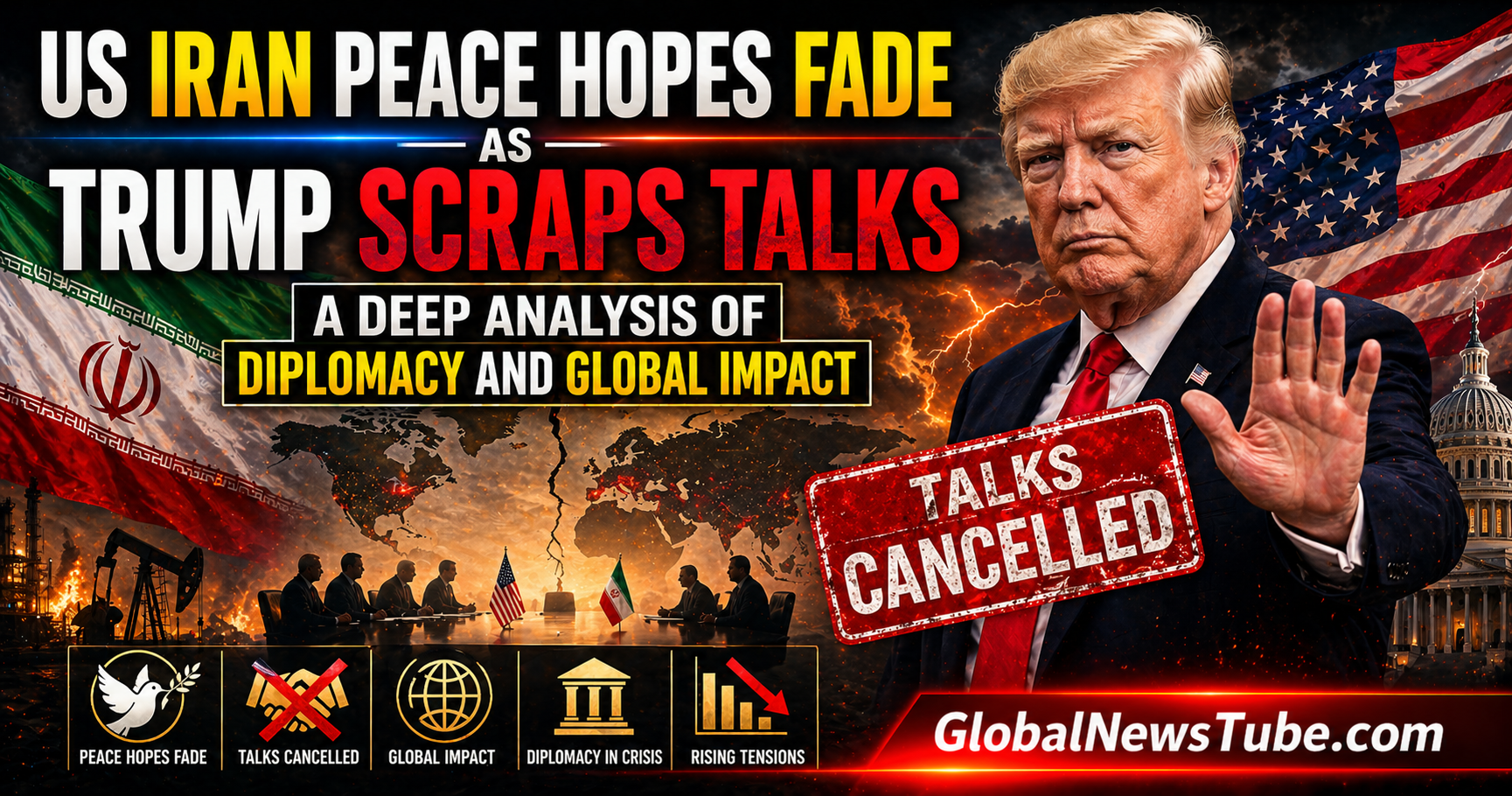
The recent decision by Donald Trump to cancel negotiations has significantly impacted global diplomacy, causing US Iran peace hopes to fade. The move highlights rising tensions between the United States and Iran and signals a shift away from direct engagement. As the situation unfolds, concerns are growing about the future of peace efforts and stability in the Middle East.
Background of the US Iran Conflict
The US Iran conflict 2026 has been marked by escalating tensions, military activity, and diplomatic challenges. Disputes over nuclear policy, economic sanctions, and regional influence have kept relations strained for years. Recent developments pushed both nations toward indirect negotiations, with attempts made to establish a ceasefire and prevent further escalation.
Despite these efforts, fundamental disagreements remained unresolved. Iran sought relief from sanctions and recognition of its regional interests, while the United States demanded stricter conditions and guarantees. These opposing positions made progress difficult and set the stage for the eventual collapse of talks.
Why Trump Scrapped the Iran Talks
The decision to halt negotiations reflects a combination of strategic and political factors. One of the primary reasons was the lack of progress during discussions. The US administration viewed Iran’s proposals as insufficient, leading to frustration with the negotiation process.
Another factor was the perception that continued talks would not produce meaningful results. Trump emphasized efficiency and signaled a preference for alternative approaches rather than prolonged diplomatic engagement. This shift suggests a broader strategy focused on applying pressure rather than seeking immediate compromise.
Additionally, internal divisions within Iran leadership were seen as a barrier to effective negotiations. Uncertainty about decision making in Tehran made it more difficult to reach a consensus, further contributing to the decision to cancel talks.
Collapse of Diplomacy and Immediate Impact
The cancellation of negotiations has dealt a serious blow to diplomatic efforts. With talks suspended, the fragile ceasefire between the two sides faces increased uncertainty. Without active engagement, the chances of reaching a long-term agreement have diminished.
This development also affects mediation efforts. Pakistan had been playing a role in facilitating dialogue, but the breakdown in talks disrupts this process. The lack of direct communication increases the risk of misunderstandings and miscalculations.
Economic and Global Consequences
The fading of US Iran peace hopes has broader implications beyond diplomacy. The conflict has already impacted global markets, particularly in the energy sector. Tensions in key shipping routes have raised concerns about oil supply disruptions, leading to price volatility.
Uncertainty in the region also affects international trade and investment. Businesses and governments alike must navigate the risks associated with instability, which can have long-term economic consequences.
Rising Risk of Military Escalation
One of the most concerning outcomes of the collapsed talks is the increased risk of military escalation. Although a ceasefire remains in place, the absence of ongoing negotiations weakens its stability.
Both sides continue to maintain a strong military presence, and without diplomatic channels, the likelihood of renewed conflict grows. The situation is further complicated by regional dynamics, where alliances and rivalries can quickly intensify tensions.
Global Reactions and Political Analysis
The international response to the cancellation has been mixed. Some observers view the decision as a practical step, arguing that negotiations without progress can be counterproductive. Others believe that abandoning talks entirely reduces the chances of achieving peace.
Iran leadership has responded cautiously, emphasizing the need for concrete actions such as sanctions relief before engaging in further discussions. This reflects a broader lack of trust between the two nations, which continues to hinder diplomatic progress.
Future Outlook for US Iran Relations
Despite the current setback, the possibility of renewed dialogue remains. Diplomatic channels may reopen if both sides are willing to reconsider their positions and engage in constructive discussions.
Pakistan and other regional actors could play a role in facilitating future negotiations. However, success will depend on the willingness of both the United States and Iran to compromise and rebuild trust.
If progress is not made, tensions could continue to rise, increasing the risk of a prolonged conflict. This makes it essential for all parties to find a path back to meaningful engagement.
The development that US Iran peace hopes fade as Trump scraps talks marks a critical moment in international relations. It highlights the challenges of diplomacy in a complex geopolitical environment and underscores the importance of sustained dialogue.
While the cancellation of talks represents a setback, it does not eliminate the possibility of future negotiations. The path forward remains uncertain, but the need for diplomatic solutions is more urgent than ever.