


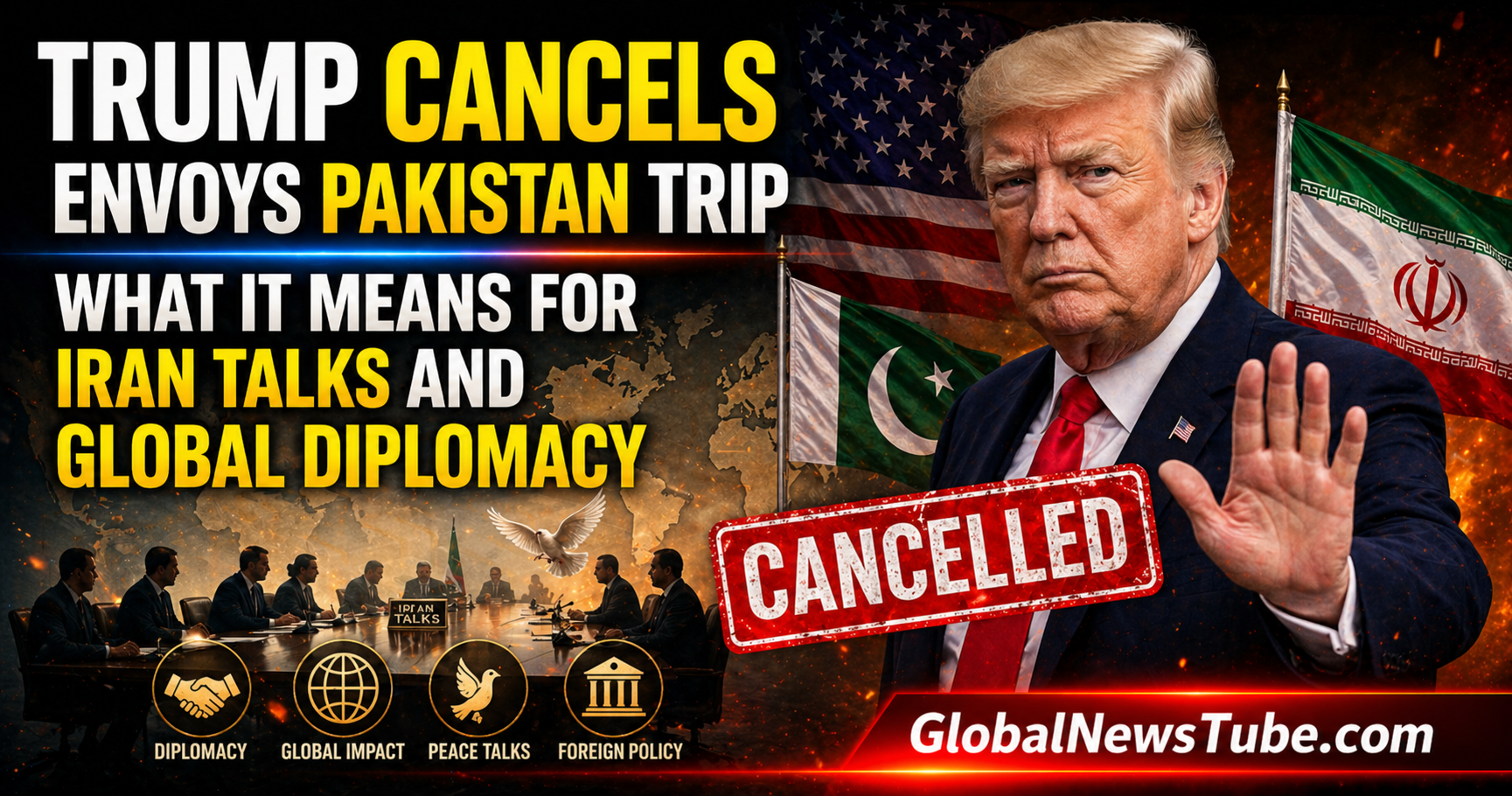
The decision by Donald Trump to cancel a planned envoy visit to Pakistan has added a new layer of complexity to ongoing Iran talks. This development reflects shifting priorities in US foreign policy and raises concerns about the future of diplomacy involving Iran. As tensions remain high, the move has sparked debate about whether diplomacy is being replaced by strategic pressure.
Background of US Iran Tensions and Pakistan Mediation Role
Relations between the United States and Iran have been strained for years due to disagreements over nuclear development, sanctions, and regional influence. In 2026, tensions escalated significantly, pushing both sides toward indirect negotiations. Pakistan emerged as a key intermediary because of its diplomatic ties with both countries. Islamabad became a venue for dialogue aimed at stabilizing the situation and preventing escalation. However, despite initial optimism, these talks failed to produce meaningful breakthroughs, leaving major issues unresolved.
Why Trump Cancelled the Pakistan Trip
The Trump cancels Pakistan trip decision was influenced by several strategic considerations. One major factor was the lack of progress in negotiations. With both sides far apart on critical issues, the visit was seen as unlikely to deliver results. Another reason was a shift toward alternative diplomatic methods, with the US preferring indirect or remote communication instead of traditional face to face meetings.
Additionally, the cancellation can be viewed as a pressure tactic aimed at Iran. By stepping back from direct engagement, the United States may be attempting to push Tehran into making concessions. This aligns with broader strategies that rely on political and economic pressure rather than immediate compromise.
Key Figures Involved in the Cancelled Mission
The planned mission included prominent figures such as Jared Kushner, who has previously played a role in Middle East diplomacy. These envoys were expected to engage with Iranian officials and explore possible solutions to ongoing disputes. However, Iranian representatives reportedly left Islamabad before meaningful discussions could take place, reducing the likelihood of productive engagement and reinforcing the decision to cancel the visit.
Impact on Pakistan Diplomatic Position
Pakistan role as a mediator has been both strengthened and challenged by this development. On one hand, hosting potential talks between the US and Iran highlights Pakistan’s growing importance in global diplomacy. On the other hand, the cancellation represents a setback, as it disrupts momentum and limits opportunities for dialogue.
Despite this, Pakistan remains an important player in the diplomatic landscape. Its strategic position and relationships ensure that it will continue to be involved in any future negotiations between the two countries.
Implications for Iran Talks and Regional Stability
The cancellation has significant implications for ongoing US Iran talks 2026. One immediate effect is reduced direct engagement, which often plays a crucial role in resolving complex disputes. Without face to face diplomacy, achieving breakthroughs becomes more difficult.
The move also increases uncertainty in the region. A lack of active dialogue can heighten tensions and raise the risk of escalation. At the same time, it signals a shift in US strategy toward a more assertive approach, which could either pressure Iran into concessions or deepen the existing stalemate.
Global Reactions and Political Analysis
Reactions to the cancellation have been mixed. Some analysts view it as a practical decision, arguing that diplomacy should not proceed without a realistic chance of success. Others believe that even unsuccessful meetings can contribute to long-term progress by building trust and maintaining communication channels.
Iran response has remained cautious, with officials emphasizing the need for concrete actions such as sanctions relief. This ongoing lack of trust continues to be a major obstacle in negotiations.
Future Outlook for US Iran Pakistan Relations
The future of relations between the United States, Iran, and Pakistan remains uncertain. While the cancellation represents a setback, it does not necessarily end diplomatic efforts. Talks may continue through indirect channels or third party mediation.
Pakistan is likely to remain involved due to its strategic importance, but the effectiveness of its role will depend on the willingness of both the US and Iran to engage constructively. Without progress, tensions could rise further, making diplomacy more challenging.
The Trump cancels Pakistan trip decision marks a significant moment in US Iran relations. It reflects frustration with stalled negotiations and a shift in diplomatic strategy. While Pakistan role as a mediator remains important, the path forward is uncertain. The success of future efforts will depend on whether all parties are willing to return to meaningful dialogue and work toward a sustainable resolution.