


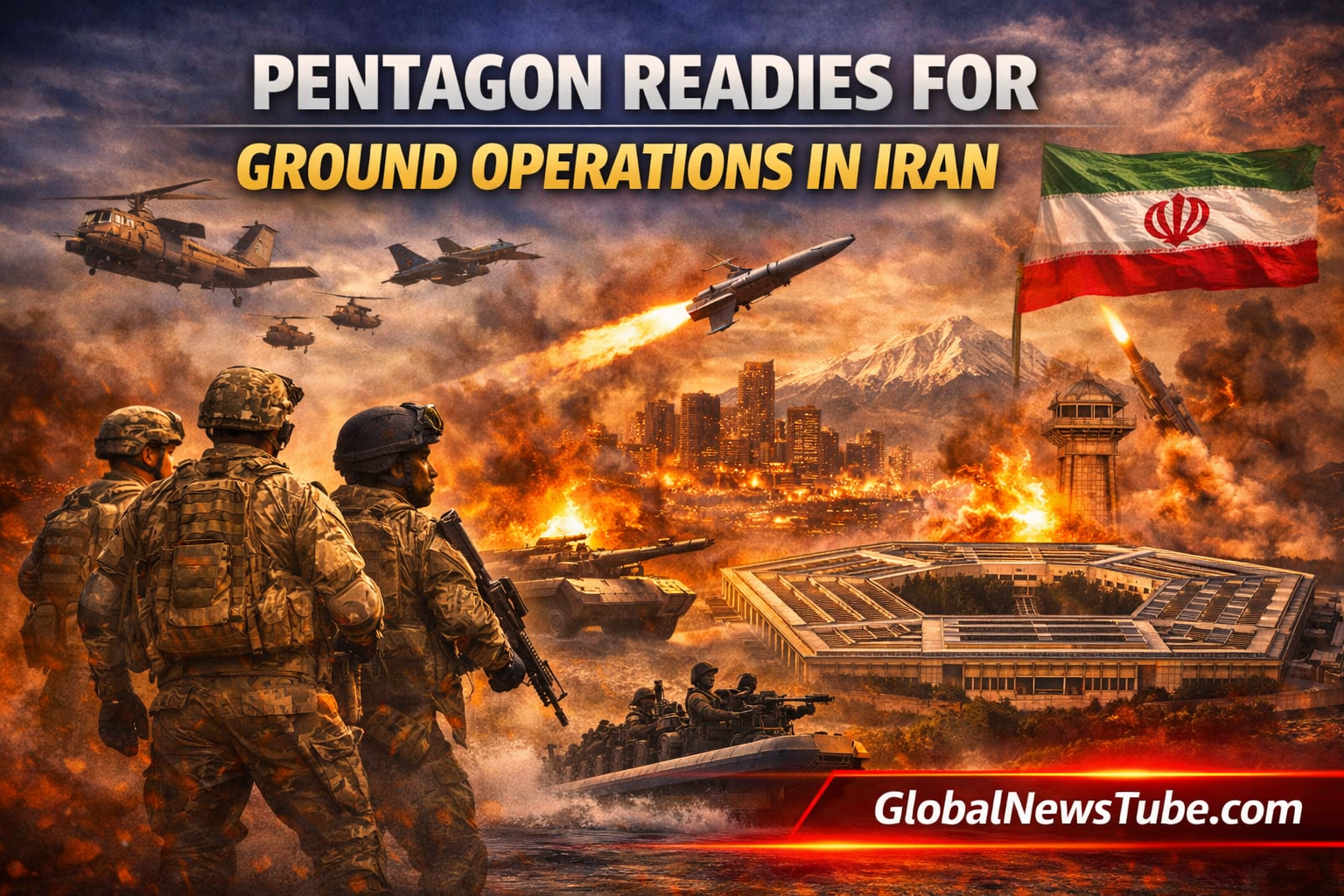
A New Phase in the Conflict
The war in Iran has entered its fifth week, and the United States is preparing for a new stage of military engagement. Reports indicate that the Pentagon is readying plans for weeks of ground operations inside Iran. While these missions are not expected to be a full scale invasion, they represent a dangerous escalation in the confrontation between Washington, Tehran, and Tel Aviv. The decision to move from air and naval strikes to ground raids signals a shift in strategy that could reshape the trajectory of the conflict.
Planned Operations and Targets
The Pentagon’s strategy focuses on limited but high impact raids designed to weaken Iran’s military capabilities and disrupt its ability to threaten global trade routes. Kharg Island, Iran’s key oil export hub in the Gulf, has been identified as a potential target for seizure or disruption. Control of Kharg would directly affect Iran’s oil exports and revenue streams. Other operations may focus on coastal sites near the Strait of Hormuz, aiming to destroy weapons capable of threatening commercial and military shipping. Officials suggest operations could last weeks, not months, though some estimates extend to two months depending on resistance and logistical challenges.
U.S. Military Build Up
The United States has already deployed thousands of troops to the Middle East in preparation for possible ground operations. On March 27, 3,500 soldiers arrived aboard the USS Tripoli. The 31st Marine Expeditionary Unit brought transport and strike aircraft, amphibious assault assets, and tactical equipment. Additional forces from the 82nd Airborne Division are being prepared for deployment. This build up signals Washington’s readiness to escalate operations if ordered by President Trump. The presence of amphibious and airborne units suggests flexibility in targeting both coastal and inland sites.
Iran Response and Warnings
Iranian leaders have reacted strongly to reports of U.S. ground operations. Mohammad Bagher Ghalibaf, Iran’s parliament speaker, warned that American soldiers would be set fire to if they entered Iranian territory. Iranian military sources suggested opening a new front at the Bab al Mandeb Strait, threatening global shipping routes. Houthi rebels in Yemen, backed by Iran, signaled readiness to assist in controlling the strait if necessary. These warnings highlight Iran’s determination to resist any U.S. incursion and its ability to expand the conflict beyond its borders.
Regional Implications
The potential U.S. ground operations carry serious consequences for neighboring states. Pakistan has hosted talks with Saudi Arabia, Turkey, and Egypt to mediate between Washington and Tehran, reflecting concern over regional spillover. Gulf states such as Saudi Arabia, Bahrain, and the UAE face heightened risks as U.S. bases and infrastructure could become targets of Iranian retaliation. Disruption in the Strait of Hormuz or Bab al Mandeb could severely impact oil, gas, and shipping routes, destabilizing global markets. The involvement of multiple regional actors underscores the risk of the conflict spreading beyond Iran’s borders.
Strategic Risks for the U.S.
While limited raids may achieve tactical objectives, they carry significant risks. Exposure to Iranian defenses drones, missiles, and ground fire could inflict casualties. Even limited operations could provoke broader Iranian retaliation, potentially drawing in regional militias and allies. The Pentagon’s preparations do not guarantee authorization, leaving the final decision in the hands of President Trump. The U.S. must weigh the benefits of disrupting Iranian capabilities against the risks of a prolonged and costly ground engagement.
Iran Retaliation Strategy
Iran’s military doctrine emphasizes asymmetric warfare, and the IRGC has shown its ability to retaliate beyond its borders. By threatening shipping routes and mobilizing allied militias, Iran aims to raise the costs of U.S. intervention. The possibility of opening a new front at Bab al Mandeb illustrates Tehran’s capacity to expand the battlefield, forcing Washington to defend multiple strategic chokepoints simultaneously.
The Position of Gulf States
The UAE, Bahrain, Saudi Arabia, Kuwait, and Oman now face difficult choices. Their close ties with the U.S. provide security guarantees but also expose them to Iranian retaliation. The attacks raise questions about the sustainability of their current foreign policy strategies. Should they continue to host U.S. military bases and risk further strikes, or should they seek a more balanced approach to avoid becoming direct targets in the conflict
Global Trade and Energy Security
Beyond military considerations, the conflict threatens global trade and energy security. The Gulf is a critical hub for oil and gas exports, and any disruption in shipping routes could have devastating effects on global markets. The temporary suspension of operations at Oman’s Salalah port by shipping giant Maersk illustrates the fragility of global logistics in the face of regional conflict. If the situation worsens, the world could face higher energy prices, supply shortages, and economic instability.
A Critical Juncture
The Pentagon’s readiness for weeks of U.S. ground operations in Iran marks a critical juncture in the conflict. While the plans are designed to be limited, they risk triggering wider escalation, drawing in regional actors, and destabilizing global trade routes. Iran’s warnings and preparations suggest any U.S. incursion will be met with fierce resistance. The coming weeks will determine whether diplomacy can avert a broader war or whether the Gulf will witness a dangerous new phase of military confrontation.