

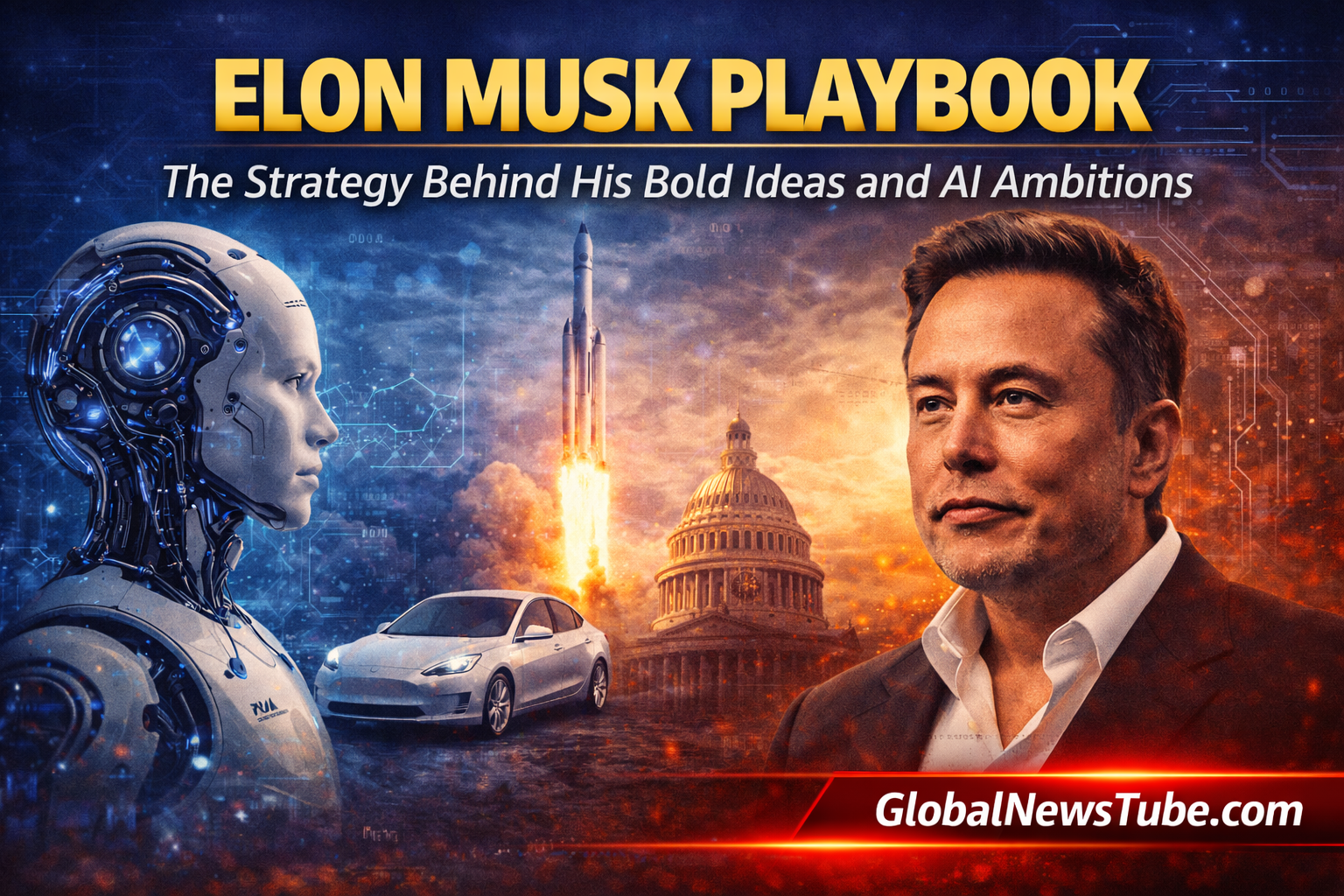
The success of Elon Musk is often described as unconventional, risky, and highly ambitious. Yet behind his ventures from electric vehicles to space exploration lies a structured way of thinking and executing ideas. In recent years, this approach has drawn attention as Musk expands into artificial intelligence, robotics, and advanced manufacturing.
Understanding how Musk turns bold concepts into real world outcomes provides insight into modern innovation and leadership. This article explores his methods, decision making style, and the broader impact of his approach on technology and industry.
The Core Approach Behind Musks Strategy
At the center of Musks way of working is a focus on simplifying complex problems. Instead of accepting existing systems as they are, he encourages breaking them down and rebuilding them in more efficient ways.
A commonly discussed pattern in his companies involves questioning requirements, removing unnecessary steps, improving what remains, speeding up processes, and then automating them. This sequence reflects a practical effort to reduce waste and increase efficiency.
Rather than relying on traditional corporate structures, this approach prioritizes flexibility and rapid iteration. Teams are often expected to test ideas quickly and refine them based on results.
First Principles Thinking
One of the most important ideas associated with Musk is first principles thinking. This method involves analyzing problems from their most basic elements instead of relying on assumptions or industry habits.
By focusing on fundamentals, teams can identify new ways to solve problems that might otherwise seem fixed. This approach has been applied in areas such as manufacturing and engineering, where cost and complexity are often accepted as unavoidable.
Using this mindset, Musk’s companies have attempted to redesign processes from the ground up rather than making small improvements to existing systems.
Expansion Into Artificial Intelligence
Artificial intelligence has become a central area of focus. Musk has emphasized the importance of computing power and infrastructure to support AI development.
Instead of depending entirely on external suppliers, there is a clear push toward building internal capabilities. This reflects a broader strategy of maintaining control over critical components needed for long term projects.
AI is being integrated into multiple areas, including automation, data processing, and advanced systems that interact with the physical world. This expansion highlights how emerging technologies are shaping the direction of major companies.
Speed and Execution
Speed is another defining characteristic of Musk’s working style. Projects are often carried out under tight deadlines, with an emphasis on rapid progress.
This focus on urgency can accelerate development cycles and help bring products to market faster. At the same time, it creates a demanding environment where teams must adapt quickly and maintain high levels of performance.
Supporters argue that this pace is necessary to stay competitive in fast moving industries, while critics point out the potential challenges it creates for long term sustainability.
Risk Taking and Decision Making
A willingness to take risks is a consistent theme. Large scale projects often involve uncertainty, especially when entering new industries or developing new technologies.
Instead of avoiding risk, Musk’s approach tends to embrace it when the potential benefits are considered significant. This mindset has led to both notable successes and high profile challenges.
Risk taking in this context is often tied to long term goals rather than short term outcomes. Decisions are made with the expectation that progress may involve setbacks along the way.
Integration Across Different Fields
Another key aspect of Musk’s strategy is connecting different industries and technologies. His ventures often share overlapping goals and resources, even when they operate in separate sectors.
For example, developments in computing and automation can influence work in transportation, manufacturing, and other areas. This interconnected approach allows innovations in one field to support progress in another.
Such integration can create efficiencies and open new opportunities, but it also requires careful coordination across complex systems.
Leadership Style and Workplace Culture
Musk’s leadership style is often described as direct and highly involved. He is known for setting ambitious goals and expecting teams to meet demanding standards.
This can create a strong sense of purpose, especially when projects are tied to long term visions about technology and the future. At the same time, the intensity of this environment can be challenging for employees.
The culture within his companies tends to emphasize problem solving, accountability, and continuous improvement. Individuals are often encouraged to take ownership of their work and contribute ideas.
Focus on Automation and Robotics
Automation and robotics are becoming increasingly important areas of development. Advances in these fields have the potential to transform industries by improving efficiency and reducing reliance on manual processes.
Efforts in robotics are aimed at creating systems that can perform complex physical tasks. These developments are part of a broader trend toward integrating intelligent machines into everyday operations.
While the long term impact of these technologies is still uncertain, they are expected to play a significant role in shaping future economies.
Challenges and Criticism
Despite the success of many projects, Musk’s approach has also faced criticism. Some observers question whether certain goals are realistic, particularly those that require large scale investment and long development timelines.
There are also concerns about the pressures created by fast paced work environments and the risks associated with rapid expansion. Not every initiative has succeeded, and some have encountered delays or technical difficulties.
However, these challenges are often seen as part of a broader process of experimentation and innovation.
Future Outlook
Looking ahead, the approach associated with Musk is likely to continue influencing how companies think about innovation. The combination of bold goals, rapid execution, and cross industry integration reflects a shift away from traditional business models.
As technology continues to evolve, strategies that emphasize adaptability and long term vision may become more common. Whether or not all of Musk’s ideas succeed, the methods used to pursue them are shaping conversations about leadership and progress.
The approach associated with Elon Musk highlights a different way of thinking about innovation. By focusing on fundamentals, moving quickly, and accepting risk, it is possible to challenge established systems and explore new possibilities.
While this method is not without its difficulties, it offers valuable insight into how ambitious ideas can be developed and tested in real world conditions. Understanding this approach helps explain the broader changes taking place in technology and industry today.


