


A New Era in Obesity Treatment
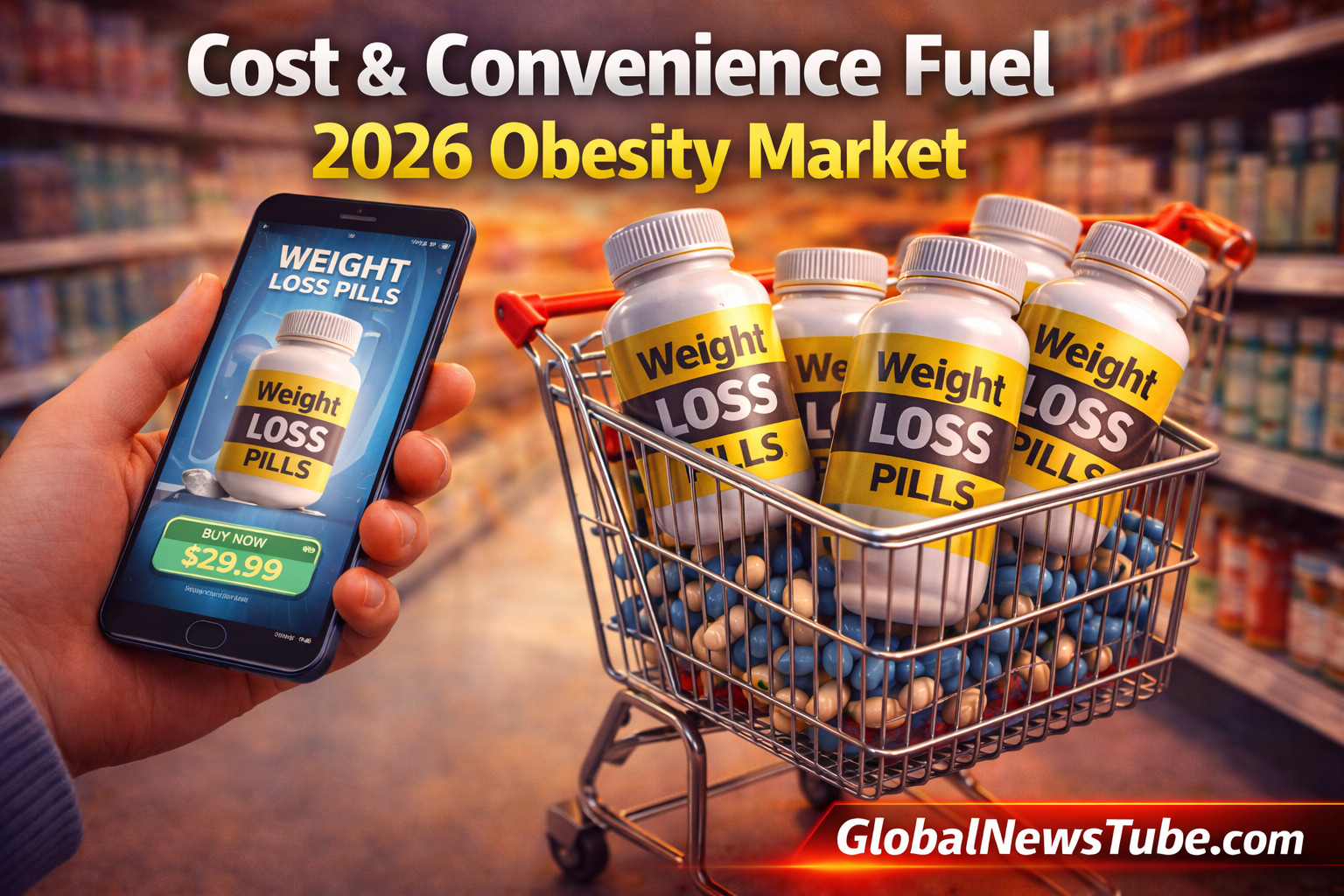
In 2026, the U.S. obesity treatment market is undergoing a dramatic transformation. While injectable drugs like Novo Nordisk’s Wegovy and Eli Lilly’s Zepbound have dominated headlines, Americans are increasingly demanding weight loss pills that offer affordability and convenience. This trend reflects broader consumer behavior in healthcare, where accessibility and cost often outweigh clinical complexity.
The Rise of Oral Medications
Novo Nordisk introduced its Wegovy pill in January 2026, marking the first oral GLP 1 medication for weight management. Eli Lilly quickly followed with Foundayo, approved by the FDA in April 2026. Foundayo, known scientifically as orforglipron, mimics the appetite suppressing GLP 1 hormone, offering similar benefits to Lilly’s injectable tirzepatide. The convenience of once daily oral dosing is a major selling point, especially for patients hesitant about injections.
Cost and Convenience as Consumer Priorities
Doctors specializing in obesity report that patients are increasingly focused on lower costs and greater convenience when choosing weight loss medications. Pills are seen as less intimidating, easier to manage, and potentially more affordable compared to injectables. This preference highlights a cultural shift in healthcare consumption, where patients want treatments that fit seamlessly into daily routines.
Insurance and Policy Challenges
Affordability remains a challenge despite growing demand. President Donald Trump’s proposal to expand Medicare coverage for weight loss drugs could cost insurers billions, raising concerns about premium hikes. Analysts argue that even with negotiated lower prices, expanding coverage will dramatically impact insurance costs. This policy debate underscores the tension between public health needs and financial sustainability.
Market Competition Intensifies
The rivalry between Novo Nordisk and Eli Lilly is intensifying. Novo’s Wegovy pill has the advantage of being first to market, but Lilly’s Foundayo offers strong competition with its proven GLP-1 mechanism. Both companies are racing to capture consumer loyalty, with marketing strategies emphasizing convenience, effectiveness, and affordability. The outcome of this competition will shape the future of obesity treatment in the U.S.
Impact on Healthcare and Society
The availability of oral weight loss pills could significantly broaden access to obesity treatments. Pills are easier to distribute, store, and administer compared to injectables, making them more appealing for primary care settings. If costs are managed effectively, these medications could reduce obesity related health complications, including diabetes and cardiovascular disease, thereby lowering long-term healthcare expenditures.
Historical Context Lessons from Past Treatments
Weight loss treatments have evolved dramatically over the decades. From appetite suppressants in the 1990s to bariatric surgery in the 2000s, each innovation has faced challenges of cost, accessibility, and safety. The arrival of GLP-1 injectables in the 2020s marked a breakthrough, but their high price and delivery method limited adoption. Pills represent the next stage, combining proven science with consumer-friendly delivery.
Statistical Insights The Scale of Obesity in America
According to recent CDC data, over 42% of American adults are classified as obese. Obesity related conditions, including type 2 diabetes, heart disease, and certain cancers, contribute to hundreds of thousands of deaths annually. The economic burden is staggering, with obesity related healthcare costs estimated at over $170 billion per year. Expanding access to effective weight loss treatments could significantly reduce these figures.
Pills vs Injectables
While oral medications are gaining traction, injectables remain highly effective and trusted by many physicians. The future likely lies in a hybrid model, where patients choose between pills and injections based on preference, cost, and medical guidance. As more companies enter the market, competition will drive innovation and potentially lower prices, making weight loss treatments more accessible to millions of Americans.
Humanitarian Impact Accessibility for All
Beyond economics, the rise of weight loss pills has humanitarian implications. Pills are easier to distribute in rural areas, less stigmatizing than injections, and more accessible for patients with limited healthcare infrastructure. If insurers and policymakers can balance affordability with coverage, millions of Americans could benefit from treatments that were previously out of reach.
The weight loss pill revolution in 2026 reflects a broader trend in healthcare patients want treatments that are affordable, convenient, and effective. With Novo Nordisk and Eli Lilly leading the charge, and policymakers debating insurance coverage, the stage is set for a transformative era in obesity management. Whether pills will fully replace injectables remains uncertain, but their growing popularity signals a new chapter in the fight against obesity.