

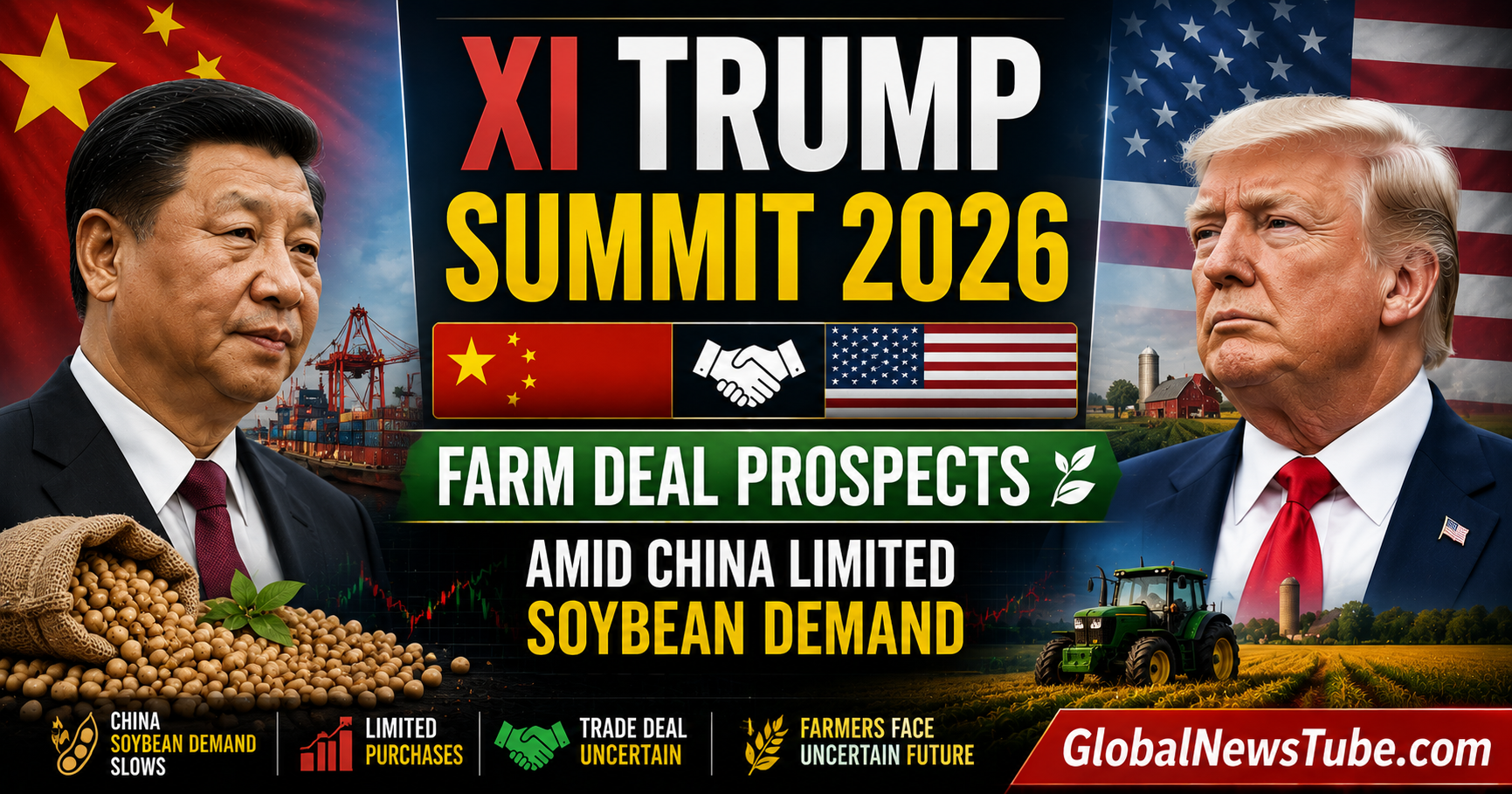
Xi Trump Summit Farm Deal in Focus
The upcoming Xi Trump summit farm deal has become a central focus in global trade discussions as the United States and China prepare for high level talks in 2026. Both countries are aiming to stabilize their economic relationship after years of tension, and agriculture is once again emerging as a key area of cooperation. In the past, farm exports played a crucial role in easing trade disputes, particularly through large soybean shipments from the United States to China. However, the current situation is different due to changing market dynamics and evolving consumption patterns in China. While there is optimism that the summit may result in a new agricultural agreement, expectations remain cautious as structural shifts in global trade continue to influence decision making on both sides.
Background of US China Agricultural Trade Relations
Agricultural trade has historically acted as a stabilizing force in relations between the United States and China. During earlier periods of trade conflict, China increased its imports of American farm products to reduce tensions and maintain economic balance. The Xi Trump summit farm deal is expected to follow a similar approach, with the United States pushing for expanded exports of commodities such as corn, wheat, sorghum, beef, and poultry. These products are generally less politically sensitive compared to sectors like technology and defense, making them easier to negotiate. For American farmers, access to the Chinese market remains vital, as it represents one of the largest sources of demand in the world. At the same time, China relies on agricultural imports to ensure food security and stabilize domestic prices, making cooperation in this sector mutually beneficial.
Why China Soybean Demand Is Limited
A major challenge facing the Xi Trump summit farm deal is China reduced reliance on US soybeans. Over the years, China has significantly diversified its sources of soybean imports, with Brazil becoming its primary supplier. Brazilian soybeans are often more competitively priced, and improvements in logistics have made them more accessible to Chinese buyers. In addition, China domestic demand for soybeans has changed due to shifts in livestock farming and feed consumption. These factors have reduced the growth rate of soybean imports and decreased the share of US exports in China market. As a result, soybeans are unlikely to be the central focus of any new agreement. Instead, they are expected to play a smaller role within a broader agricultural deal that includes a wider range of products.
Shift Toward Alternative Agricultural Products
Given the limitations surrounding soybeans, the Xi Trump summit farm deal is likely to focus on alternative agricultural products that better align with China current needs. Corn and sorghum are increasingly important for animal feed, while wheat remains essential for food security. Meat products such as beef and poultry are also expected to play a significant role, as rising incomes in China continue to drive demand for higher quality protein. By expanding the range of agricultural goods included in the agreement, both countries can create a more balanced and sustainable trade relationship. This diversified approach reduces dependence on a single commodity and provides greater flexibility in negotiations, allowing both sides to address multiple economic priorities at once.
Economic and Political Implications for Both Nations
The Xi Trump summit farm deal carries significant economic and political implications for both the United States and China. For the United States, increasing agricultural exports would provide much needed support to farmers who have faced uncertainty due to trade disputes and fluctuating market conditions. It would also serve as a political achievement by demonstrating progress in managing a complex bilateral relationship. For China, the agreement offers an opportunity to strengthen food security while maintaining strategic leverage in broader negotiations. Agricultural imports can be used as a tool to balance trade relations and secure advantages in other areas, including tariffs and market access. This dual role of agriculture highlights its importance not only as an economic sector but also as a key component of international diplomacy.
Market Impact and Future Outlook
Global markets are closely watching developments related to the Xi Trump summit farm deal, as any agreement could influence commodity prices and international trade flows. Increased Chinese purchases of U.S. agricultural products could lead to higher prices for grains and meat, benefiting exporters while potentially increasing costs for importers. At the same time, the limited role of soybeans may keep that market relatively stable. Beyond short-term price movements, the outcome of the summit could reshape global trade patterns by affecting supply chains and altering the competitive landscape for major exporters such as Brazil. Although a comprehensive deal is unlikely, even a modest agreement could signal improved cooperation and help reduce tensions between the two countries.
Realistic Expectations from the Xi Trump Summit
In conclusion, the Xi Trump summit farm deal represents an important opportunity for the United States and China to strengthen economic ties through agricultural cooperation. However, expectations must remain realistic due to the changing nature of global trade and China evolving demand patterns. Soybeans, once the cornerstone of agricultural trade between the two nations, are no longer the dominant factor they once were. Instead, a broader range of products is expected to define future agreements. While the summit may not deliver a major breakthrough, it has the potential to stabilize relations, support key industries, and lay the groundwork for continued dialogue. In today complex global environment, even incremental progress can have meaningful and lasting impacts.


