


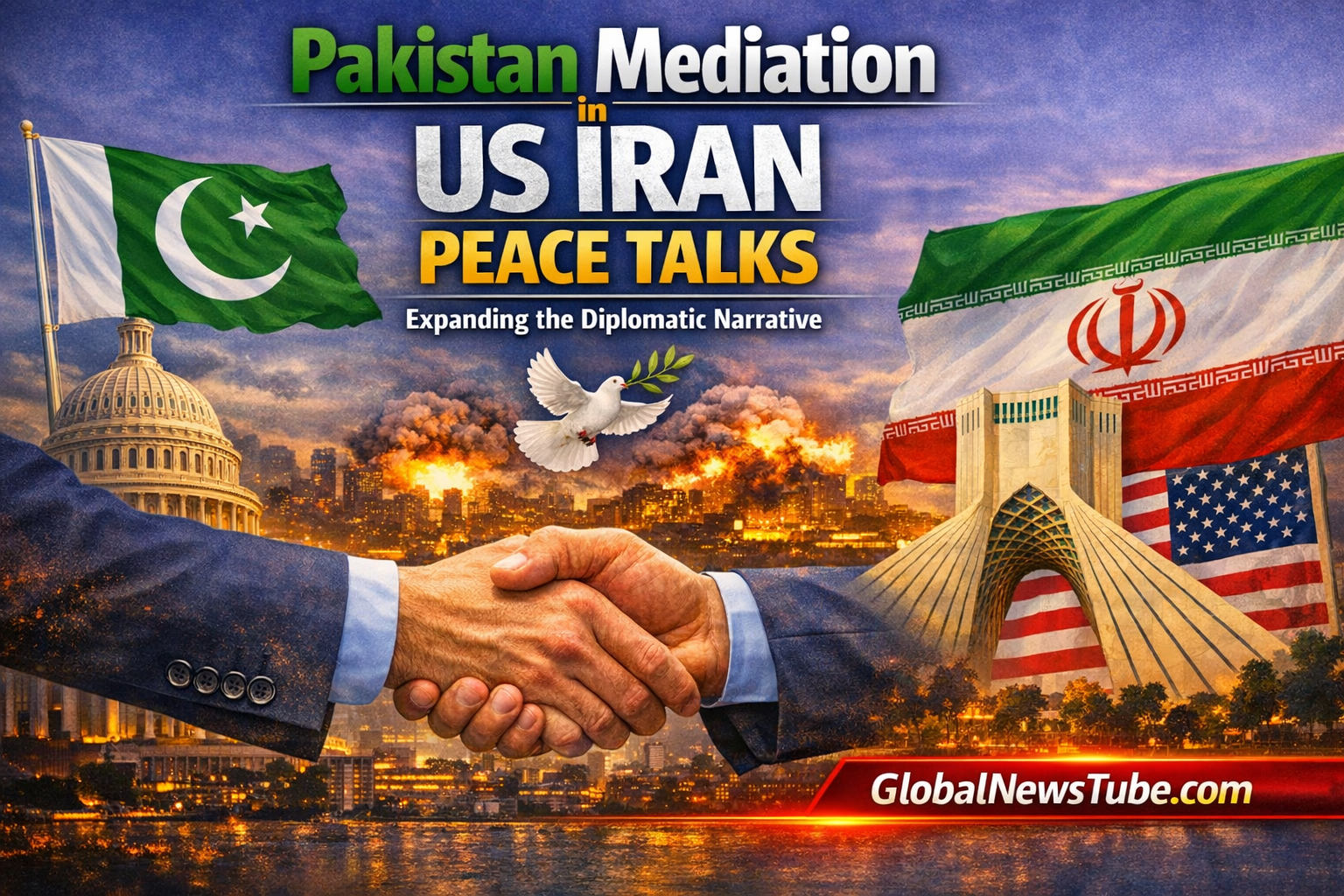
Pakistan Emergence as a Neutral Mediator
Pakistan’s decision to host foreign ministers from Saudi Arabia, Egypt, and Turkey in Islamabad marks a turning point in its diplomatic trajectory. Traditionally seen as a South Asian power focused on regional disputes, Pakistan is now positioning itself as a credible mediator in Middle East conflict resolution. The US Iran confrontation, which has entered its fifth week, threatens to destabilize the region and disrupt global energy markets. By stepping forward, Islamabad is not only protecting its own national interests but also signaling its readiness to play a larger role in global diplomacy. The trust shown by both Washington and Tehran in Pakistan’s mediation underscores the credibility it has built through balanced relations with diverse stakeholders.
Maritime Security and the Strait of Hormuz
The Strait of Hormuz remains the most critical flashpoint in this conflict. Nearly one fifth of the world’s oil supply passes through this narrow waterway, making it a lifeline for global energy markets. Iran’s decision to allow twenty Pakistan flagged ships safe passage is a direct acknowledgment of Islamabad’s diplomatic leverage. This maritime concession not only protects Pakistan’s trade interests but also reassures international stakeholders that dialogue is possible even amid heightened tensions. By securing maritime security, Pakistan demonstrates that its mediation is not symbolic but practical, with tangible benefits for global stability.
Regional Unity Through Saudi Arabia Egypt and Turkey
The involvement of Saudi Arabia, Egypt, and Turkey adds weight to Pakistan’s initiative. Their support reflects a shared recognition that prolonged confrontation between the US and Iran would destabilize the entire Middle East. Saudi Arabia, with its economic clout and religious influence, Egypt with its strategic position, and Turkey with its regional ambitions, all see value in backing Islamabad’s peace first approach. This collective stance strengthens the legitimacy of Pakistan’s mediation and signals a shift toward multilateral solutions. By aligning with Pakistan, these states reinforce the idea that regional actors must take ownership of their security and stability rather than relying solely on external interventions.
Challenges in Building Trust Between Washington and Tehran
Despite these promising developments, the path to peace remains fraught with challenges. The trust deficit between Washington and Tehran is deep rooted, shaped by decades of sanctions, military confrontations, and political hostility. The US has already signaled that ground operations could be considered if diplomacy fails, raising the stakes for Pakistan’s initiative. Iran, meanwhile, continues to weigh its regional alliances and strategic calculations, complicating the prospects for compromise. Pakistan must navigate these complexities carefully, ensuring that its mediation does not appear biased while maintaining credibility with all parties involved. The success of this initiative depends on sustained trust building and the willingness of both Washington and Tehran to prioritize dialogue over confrontation.
Pakistan Diplomatic Gains and Global Standing
For Pakistan, this mediation effort is more than a regional responsibility it is an opportunity to redefine its global standing. By hosting high level talks and securing maritime concessions, Islamabad demonstrates its ability to play a constructive role in global peace efforts. Success in this initiative could elevate Pakistan’s profile in international diplomacy, strengthen its ties with Gulf allies, and enhance its credibility with global powers such as the US and China. This diplomatic endeavor also reflects Pakistan’s strategic necessity instability in the Gulf directly impacts its economy and security, making peace in the region a national priority.
A Pivotal Moment in Middle East Diplomacy
Pakistan’s mediation in US Iran peace talks, supported by Saudi Arabia, Egypt, and Turkey, represents a pivotal moment in Middle East diplomacy. The Islamabad diplomatic initiative is not only about de escalating immediate tensions but also about reshaping the way conflicts in the region are addressed. By securing maritime concessions and gaining international support, Pakistan has positioned itself as a credible peace broker. If successful, this effort could mark a new era in Middle East conflict resolution and elevate Pakistan’s global standing. However, the success of this initiative depends on sustained trust building and the willingness of Washington and Tehran to prioritize dialogue over confrontation.