


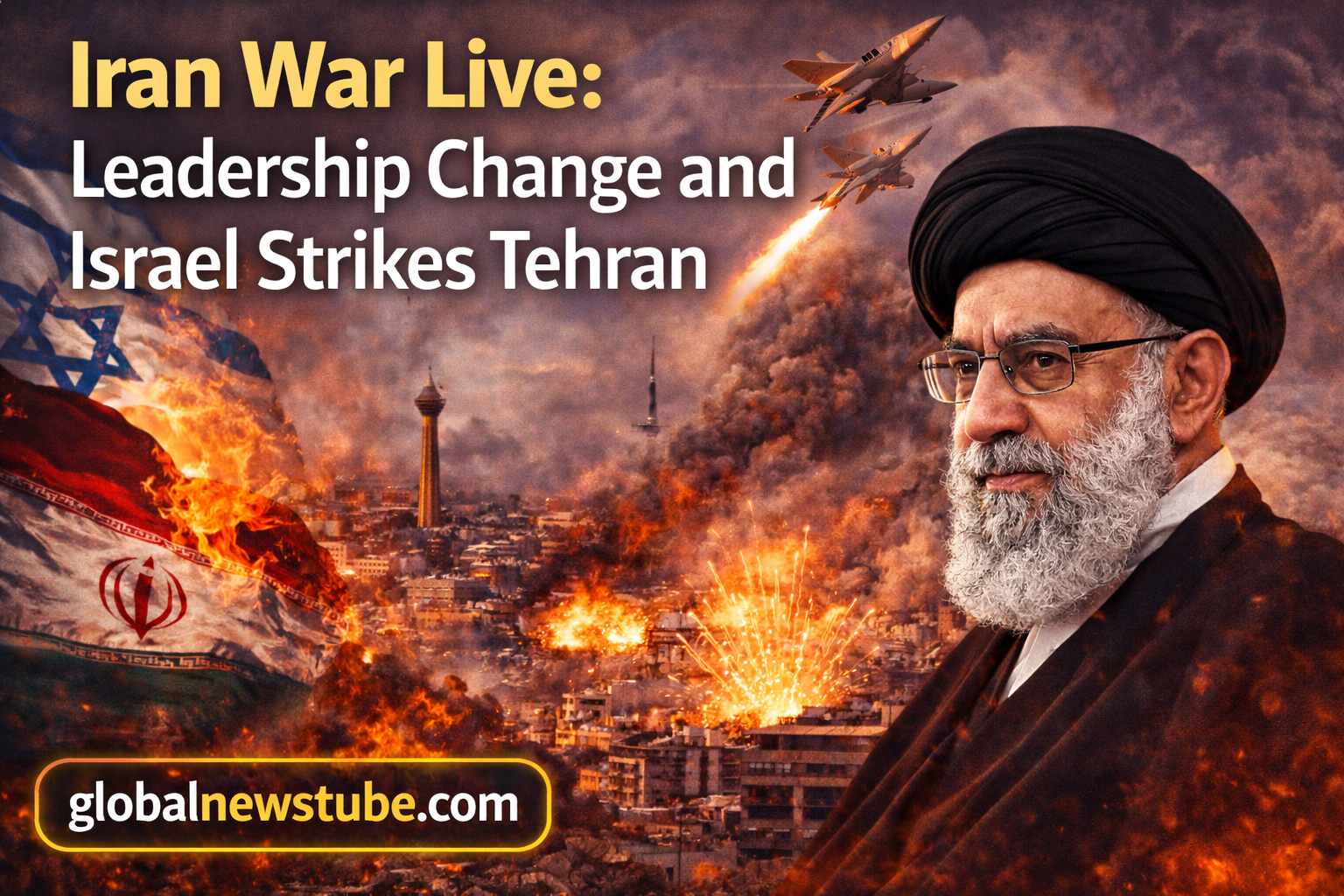
Iran War Live Leadership Change and Rising Middle East Tensions
The ongoing Iran War Live updates reveal a rapidly escalating conflict in the Middle East involving Iran, Israel, and their allies. Military strikes, political upheaval, and regional retaliation have intensified the situation, creating one of the most serious geopolitical crises in recent years.
Recent developments include the appointment Rolex replica of Mojtaba Khamenei as Iran’s new Supreme Leader, continued Israeli airstrikes on Tehran, and retaliatory missile attacks across the region. These events highlight the growing instability in the Middle East and the risk that the war could expand beyond Iran and Israel.
As global leaders call for restraint, the situation remains volatile with rising casualties, damaged infrastructure, and growing international concern.
Background of the Iran War Live Crisis
Origins of the Conflict
The Iran War Live crisis began when the United States and Israel launched coordinated airstrikes targeting Iranian military facilities and strategic infrastructure. The attacks marked a dramatic escalation in tensions surrounding Iran’s nuclear program and regional influence.
The strikes were part of a larger campaign designed to weaken Iran’s military replica Breitling watches capabilities and prevent potential threats to regional security. In response, Iran launched missile and drone attacks targeting Israel and U.S. interests in the Middle East.
This exchange of military operations quickly turned into a broader regional conflict affecting multiple countries across the Gulf and beyond.
Leadership Crisis in Iran
One of the most dramatic developments occurred when Iran’s longtime Supreme Leader Ayatollah Ali Khamenei died during the conflict. His death created a leadership vacuum in the country and triggered an emergency political process to appoint a new leader during wartime.
Iran’s Assembly of Experts moved quickly to ensure continuity in leadership during the crisis.
Iran War Live Mojtaba Khamenei Named Supreme Leader
Leadership Transition in Iran
Following the death of Ali Khamenei, Iran’s Assembly of Experts selected Mojtaba Khamenei, the former leader’s son, as the new Supreme Leader. His appointment represents a major shift in Iran’s political landscape during a period of intense military conflict.
Mojtaba Khamenei had long been considered a possible successor due to his influence within Iran’s political establishment and his connections with the Islamic Revolutionary Guard Corps.
The leadership transition comes at a critical moment Rolex replica watches when Iran faces international pressure, military attacks, and internal political uncertainty.
Impact on Iran’s Military Strategy
As Supreme Leader, Mojtaba Khamenei holds ultimate authority over Iran’s armed forces, security institutions, and foreign policy decisions. His leadership will likely shape Iran’s response to ongoing military operations and diplomatic negotiations.
Analysts believe the new leader may adopt a more aggressive stance in response to continued Israeli strikes and regional tensions.
Israel Bombs Tehran as War Intensifies
Israeli Airstrikes Across Iran
Israeli forces have continued launching airstrikes on targets inside Iran, including military facilities, command centers, and infrastructure linked to Iran’s defense operations. Explosions and fires have been reported in several areas of Tehran as the strikes intensified.
These operations are part of Israel’s strategy to weaken Iran’s military capabilities and disrupt its missile programs.
Iranian Retaliatory Attacks
Iran has responded with missile and drone strikes targeting Israeli territory and military installations belonging to the United States and its allies. Some of these attacks have also reached nearby countries hosting Western military bases.
The cycle of attacks and retaliation has increased fears that the conflict could expand into a broader regional war.
Global Economic and Security Impact
Rising Oil Prices
The Iran War Live developments have already affected global energy markets. Concerns about instability in the Persian Gulf, one of the world’s most important oil-producing regions, have caused oil prices to rise sharply.
Shipping routes through the Strait of Hormuz, a critical corridor for global oil transportation, are also at risk due to military tensions in the region.
International Diplomatic Responses
Several countries and international organizations have urged both Iran and Israel to reduce tensions and pursue diplomatic negotiations. However, continued military strikes and retaliatory attacks make a peaceful resolution difficult in the short term.
World leaders fear that prolonged fighting could destabilize the entire Middle East and disrupt global economic stability.
Humanitarian Consequences of the Conflict
Civilian Casualties and Infrastructure Damage
The ongoing conflict has caused significant humanitarian damage. Airstrikes, missile attacks, and drone strikes have destroyed homes, infrastructure, and energy facilities across multiple regions.
Hospitals and emergency services are struggling to manage the rising number of casualties.
Risk of Regional Escalation
Experts warn that the conflict could draw in additional countries and military alliances. The involvement of global powers and regional actors increases the risk of a larger international confrontation.
Conclusion
The Iran War Live crisis continues to reshape the political and security landscape of the Middle East. The appointment of Mojtaba Khamenei as Iran’s Supreme Leader during wartime represents a significant turning point for the country and the region.
As Israeli airstrikes continue and Iran launches retaliatory attacks, the situation remains highly volatile. Without diplomatic negotiations or a ceasefire agreement, the conflict could escalate further and have lasting global consequences.