


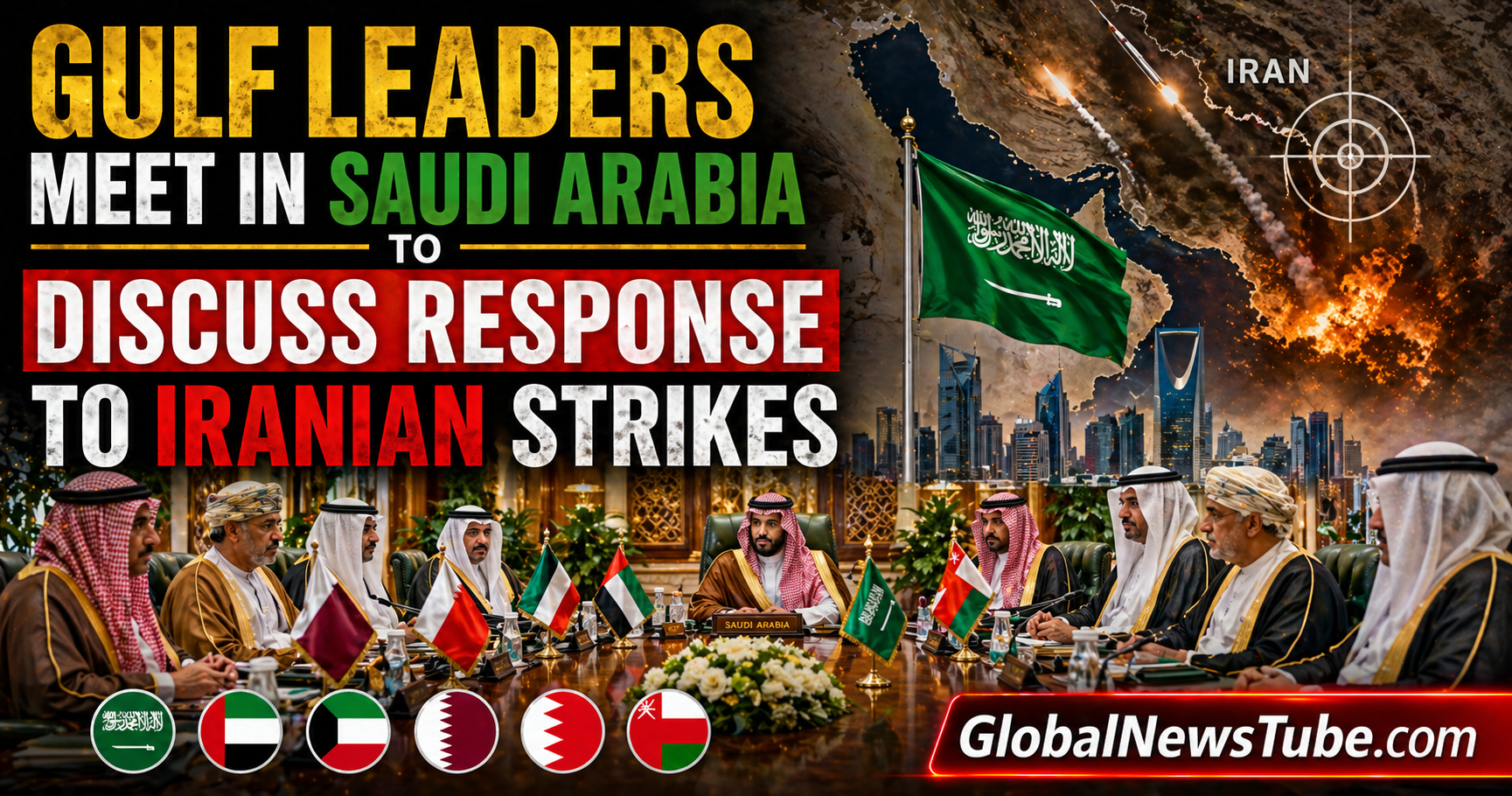
Leaders from the Gulf region convened in Saudi Arabia for a crucial summit under the umbrella of the Gulf Cooperation Council (GCC), aiming to respond to escalating tensions caused by recent Iranian missile and drone strikes. This high level meeting comes at a time when the Middle East is facing heightened instability, economic uncertainty, and growing security threats. The gathering reflects the urgency among Gulf nations to align their strategies and present a unified stance against what they view as increasing aggression from Iran.
Background of the Iran Gulf Conflict
The current crisis stems from a series of events earlier in 2026 when the United States and Israel launched coordinated military strikes targeting Iranian facilities. In retaliation, Iran carried out missile and drone attacks across multiple Gulf countries, including Saudi Arabia, the United Arab Emirates, Qatar, Kuwait, Bahrain, and Oman. These attacks targeted vital infrastructure such as oil facilities, airports, and military bases, leading to widespread disruption and raising fears of a broader regional conflict.
Purpose of the GCC Summit
The summit in Saudi Arabia represents the first in person gathering of GCC leaders since the outbreak of hostilities. Its primary objective is to formulate a coordinated and effective response to Iranian strikes while addressing the shortcomings of previous measures. Gulf leaders are focusing on strengthening collective security, improving missile defense systems, protecting critical energy infrastructure, and aligning diplomatic strategies. The meeting underscores the importance of unity within the GCC as member states face a common external threat.
Internal Divisions and Criticism
Despite the shared concerns, the crisis has exposed divisions within the GCC. Some member states, particularly the United Arab Emirates, have expressed dissatisfaction with what they perceive as a weak and fragmented response to Iranian aggression. These internal disagreements highlight challenges such as differing political priorities, varying levels of military capability, and reliance on external allies like the United States. The summit is therefore not only about responding to Iran but also about addressing internal cohesion within the bloc.
Economic Impact of the Crisis
The Iranian strikes have had significant economic repercussions across the Gulf region, particularly in the energy sector. Disruptions to oil production and exports have led to a surge in global oil prices, while damage to infrastructure has strained national budgets. Non oil sectors such as tourism, aviation, and retail have also been affected, contributing to rising inflation and slower economic growth. Analysts warn that the region could face one of its most severe economic downturns in recent years if the conflict persists.
Strategic Importance of the Strait of Hormuz
A central concern discussed at the summit is the security of the Strait of Hormuz, through which a significant portion of the world’s oil supply passes. The ongoing conflict has disrupted shipping routes and reduced maritime traffic, raising fears of global energy shortages. Ensuring the safety of this critical passage is essential not only for Gulf economies but also for global markets that depend heavily on stable oil supplies.
Diplomatic Efforts and Ceasefire Challenges
Although a ceasefire between the United States and Iran was announced earlier in April 2026, tensions remain high due to unresolved issues. Disagreements over Iran’s nuclear program and sanctions have stalled negotiations, making it difficult to achieve a lasting peace. Gulf countries are advocating for diplomatic solutions to prevent further escalation, but mutual distrust between the involved parties continues to hinder progress. The summit aims to explore ways to support and strengthen diplomatic initiatives.
Military Preparedness and Defense Cooperation
Another key focus of the summit is enhancing military preparedness and defense cooperation among GCC members. The Iranian attacks exposed vulnerabilities in existing defense systems, prompting calls for joint missile defense initiatives, increased intelligence sharing, and greater investment in advanced military technologies. Gulf leaders recognize the need to build a more integrated and resilient defense framework to counter future threats effectively.
Global Implications of the Conflict
The crisis has far reaching global implications beyond the Middle East. Rising oil prices are contributing to inflation worldwide, while disruptions in supply chains are affecting industries ranging from energy to technology. The conflict has also heightened geopolitical tensions, drawing the attention of major global powers and increasing the risk of broader international involvement. As a result, the outcome of the GCC summit is being closely watched around the world.
Role of Regional and International Players
Several regional and international actors are playing significant roles in the ongoing crisis. The United States remains a key military and diplomatic partner for Gulf countries, while Iran continues to assert its influence in the region. European nations are pushing for de escalation through diplomacy, and countries like Pakistan are being considered as potential mediators due to their balanced relations with both sides. These dynamics add complexity to an already volatile situation.
Future Outlook for the Gulf Region
The outcome of the Saudi Arabia summit will have a lasting impact on the future of the Gulf region. While there is hope that GCC countries can achieve greater unity and develop a coherent strategy, significant challenges remain. The path forward will depend on the success of diplomatic efforts, the ability to strengthen regional security, and the resilience of Gulf economies in the face of ongoing uncertainty. The region stands at a critical juncture, with decisions made today likely to shape its trajectory for years to come.
The gathering of Gulf leaders in Saudi Arabia marks a pivotal moment in the Middle East crisis of 2026. As Iranian strikes continue to test the region’s stability, the need for coordinated action, strategic planning, and diplomatic engagement has become increasingly urgent. The GCC summit represents an opportunity for Gulf nations to demonstrate unity and resilience in the face of adversity. Whether they can rise to the challenge will determine not only their own future but also the broader stability of the global order.