


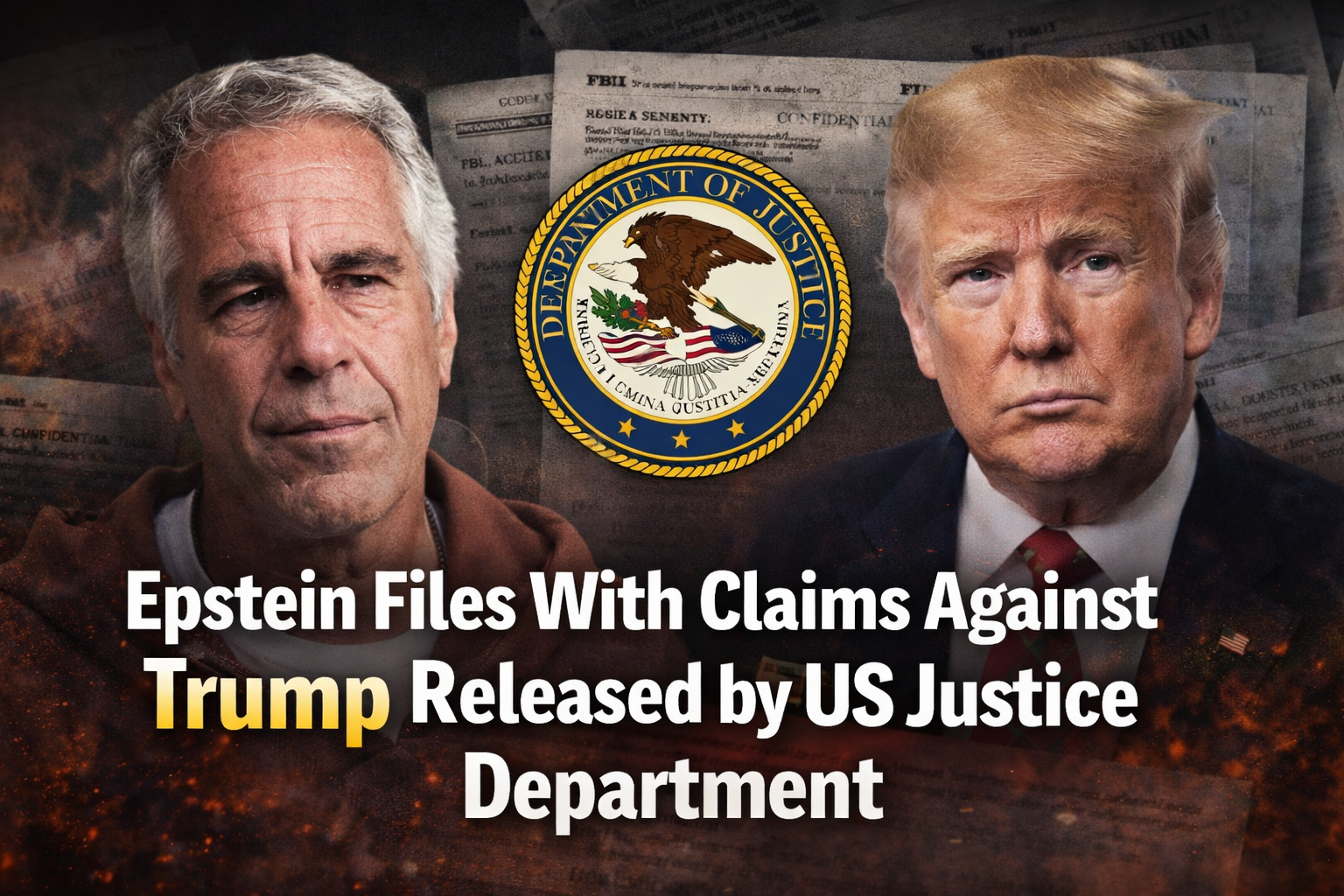
Epstein Files With Claims Against Trump Released by US Justice Department
The United States Department of Justice has released additional documents connected to the investigation into financier Jeffrey Epstein, including files containing allegations involving former President Donald Trump. The documents are part of a broader effort to disclose materials related to Epstein’s criminal activities and the network Rolex replica of associates connected to him. The release has sparked renewed political debate in Washington and increased public interest in the Epstein case, which has remained controversial since Epstein’s arrest and death in 2019 while awaiting trial on federal sex-trafficking charges. The newly published files include FBI interview summaries and investigative records that were previously missing from the government’s public archive.
Background The Epstein Case
Jeffrey Epstein, a wealthy financier, was arrested in July 2019 on federal charges related to sex trafficking of minors. Authorities alleged that Epstein operated a network that recruited and abused underage girls for years. Epstein pleaded not guilty but died in a New York jail cell later that year while awaiting trial. His death intensified scrutiny of the powerful individuals who had social or business connections with him. Over the years, the US government has faced pressure from lawmakers and the public to release documents related to the case to increase transparency and accountability. In response to these demands, the government approved legislation requiring the Justice Department to publish large amounts of investigative material related to Epstein and his associates.
New Documents Released by the Justice Department
The Justice Department has released millions of pages of documents connected to Epstein as part of its compliance with transparency requirements. The files include emails, photographs, investigative reports, and FBI interview notes gathered during years of investigation. Officials previously confirmed that millions of pages had already replica Rolex watches been made public, but additional materials continued to surface after investigators discovered that some files had been incorrectly categorized or withheld during earlier reviews. According to officials, some documents were mistakenly labeled as duplicates and therefore excluded from earlier releases. Once the issue was discovered, authorities moved to publish the missing records as part of the ongoing document disclosure process.
TAP FOR MORE NEWS HERE
Allegations Involving Donald Trump
One of the most controversial elements of the newly released files involves claims made by an accuser who linked Donald Trump to alleged misconduct decades earlier. According to summaries of FBI interviews, the woman claimed she was introduced to Trump by Epstein when she was a teenager and alleged that an attempted assault occurred during that period. Investigators interviewed the woman several times while reviewing her claims. Officials have emphasized that these allegations remain uncorroborated and have not resulted in criminal charges. Authorities stated that there was insufficient evidence to pursue the case further after the accuser reportedly declined to continue cooperating with investigators. Trump has repeatedly denied any wrongdoing and described the claims as false and politically motivated.
Political Fallout and Congressional Scrutiny
The release of the documents has reignited political controversy in Washington. Members of Congress from both major political parties have raised questions about how the Justice Department handled the Epstein files and whether important records were withheld from the public. Lawmakers have demanded explanations regarding Rolex replica watches missing documents and redactions that appeared in earlier releases. Some members of Congress have called for hearings and further investigation into the handling of the Epstein case. Critics argue that delays and omissions in the document releases have damaged public trust in the transparency of the investigation. Justice Department officials have denied any intentional cover-up and said the issues were caused by administrative or technical errors.
Massive Volume of Documents
The Epstein files represent one of the largest document releases in a criminal investigation in recent US history. Officials say the Justice Department possesses millions of pages of records related to the case. These records include witness interviews, financial documents, travel logs, and communications involving individuals who interacted with Epstein over many years. Some documents contain sensitive information related to victims of Epstein’s abuse, which has required redactions to protect their identities and privacy. Despite the release of a large volume of material, many questions remain about the full scope of Epstein’s activities and the people connected to him.
Ongoing Debate Over Transparency
The controversy surrounding the Epstein files has highlighted ongoing concerns about transparency and accountability in cases involving powerful individuals. Advocates for victims have welcomed the release of documents but say more information may still remain undisclosed. Some lawmakers and investigative journalists continue to push for additional disclosures to ensure the public understands the full extent of Epstein’s network and operations. At the same time, officials have warned that many documents contain allegations that were never proven or verified, and they caution against treating every claim as confirmed fact.
What Happens Next?
The Justice Department has indicated that additional Epstein-related documents could be released as the review process continues. Lawmakers are expected to pursue further oversight and possibly hold hearings regarding the handling of the case and the release of records. The renewed attention surrounding the Epstein files has once again placed the controversial financier and his network of associates at the center of political and legal debates in the United States. As more information emerges, the Epstein case continues to remain one of the most closely watched investigations in modern American legal history.